Built-Up Roofing (BUR) in Southern California

Built-Up Roofing (BUR) in Southern California

Multi-ply tar-and-gravel roofing - the old workhorse of flat commercial roofs, still installed and repaired where it's the right fit.

Built-up roofing is the original flat roof system, and there are still plenty of buildings across Southern California running on one, some original from decades back with layers of repair on top. We install new BUR systems where they make sense and we repair and maintain the ones already out there.

What built-up roofing is

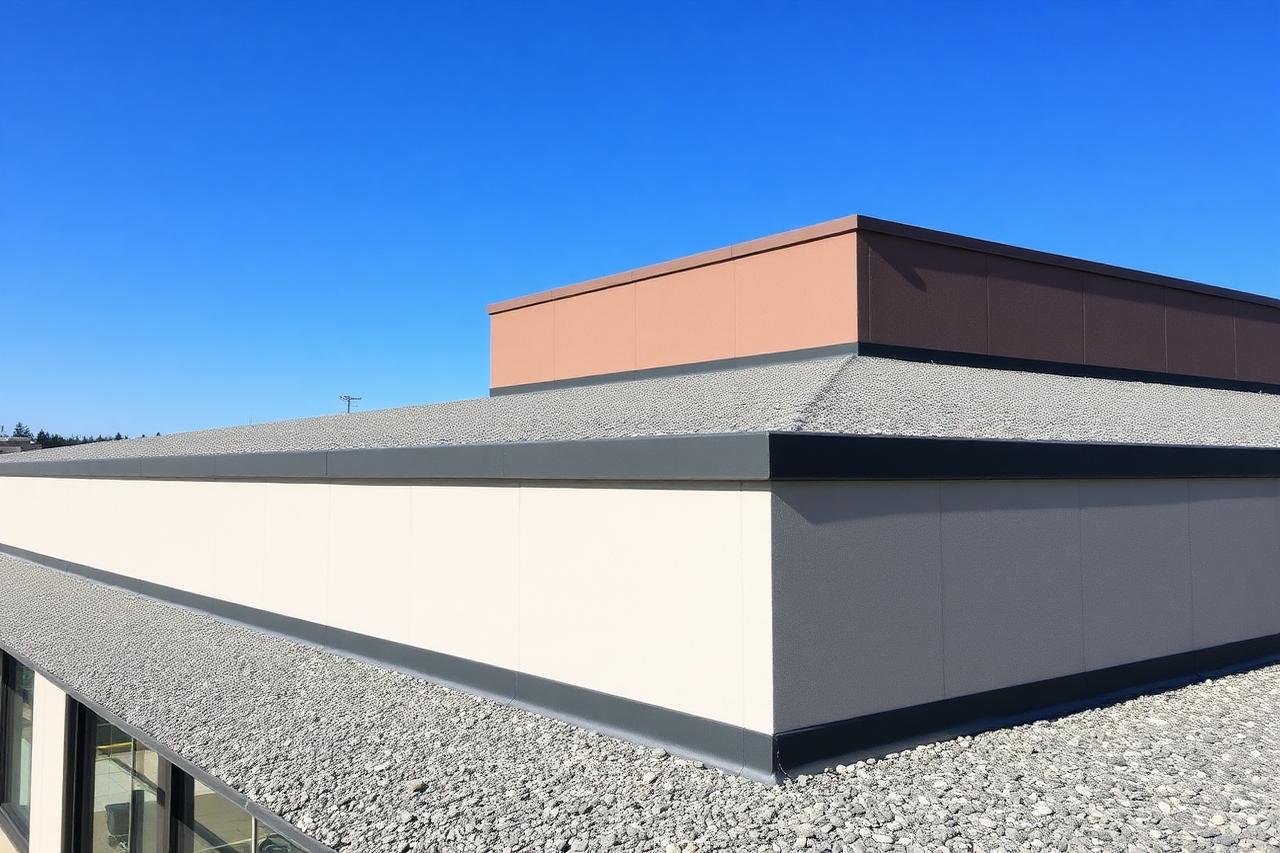
A built-up roof is exactly what it sounds like - multiple plies of asphalt-saturated felt, each one mopped down with hot asphalt, stacked to build a single thick, redundant membrane. Most systems run three to five plies, finished with a cap sheet or a layer of gravel embedded in a flood coat of hot asphalt.

That gravel or mineral cap does two jobs: it protects the asphalt underneath from direct UV exposure, and it adds fire resistance and some walkability to the roof surface.
What built-up roofing is

Where BUR is still the right call

Built-up roofing is a low-slope commercial system - warehouses, older industrial buildings, some apartment complexes and flat additions on commercial properties. It's less common as a first choice for new construction now that TPO and modified bitumen dominate that market, but it's still a solid, proven option, and it's often the correct choice when matching into an existing BUR section on a large building.

The multi-ply redundancy is genuinely an advantage - if one ply gets compromised, there are still additional layers underneath doing the work, which is part of why so many BUR roofs from the 80s and 90s are still functioning today with the right maintenance.

Where BUR is still the right call

How we install and repair BUR

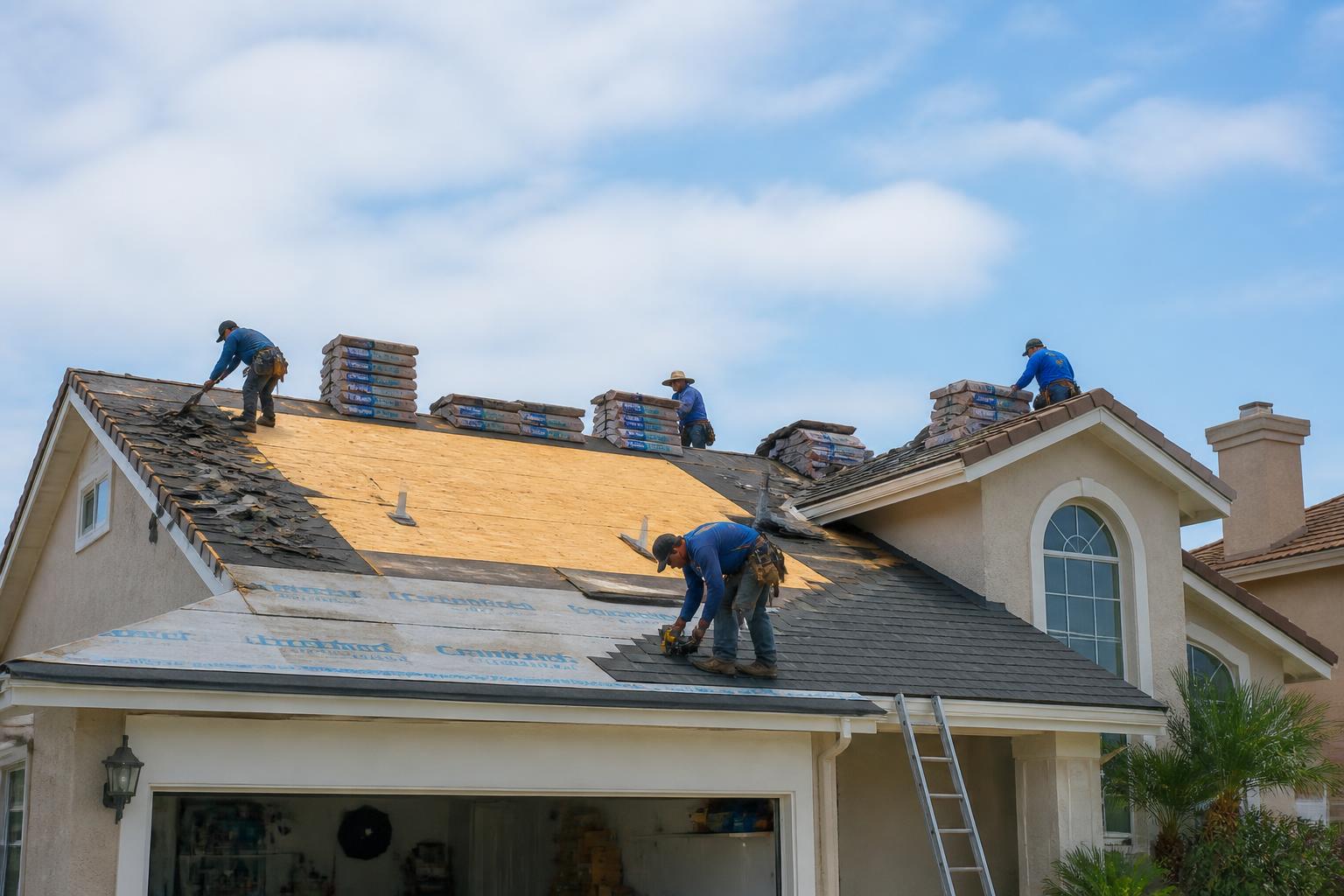
Installation means mopping hot asphalt (or using cold-process adhesive on buildings where an asphalt kettle isn't practical) between each felt ply, working in overlapping courses so water always sheds over uncompromised material below. It's labor-intensive work and it's not fast, which is part of why it's fallen out of favor for new low-slope projects, but the resulting membrane is thick and durable.

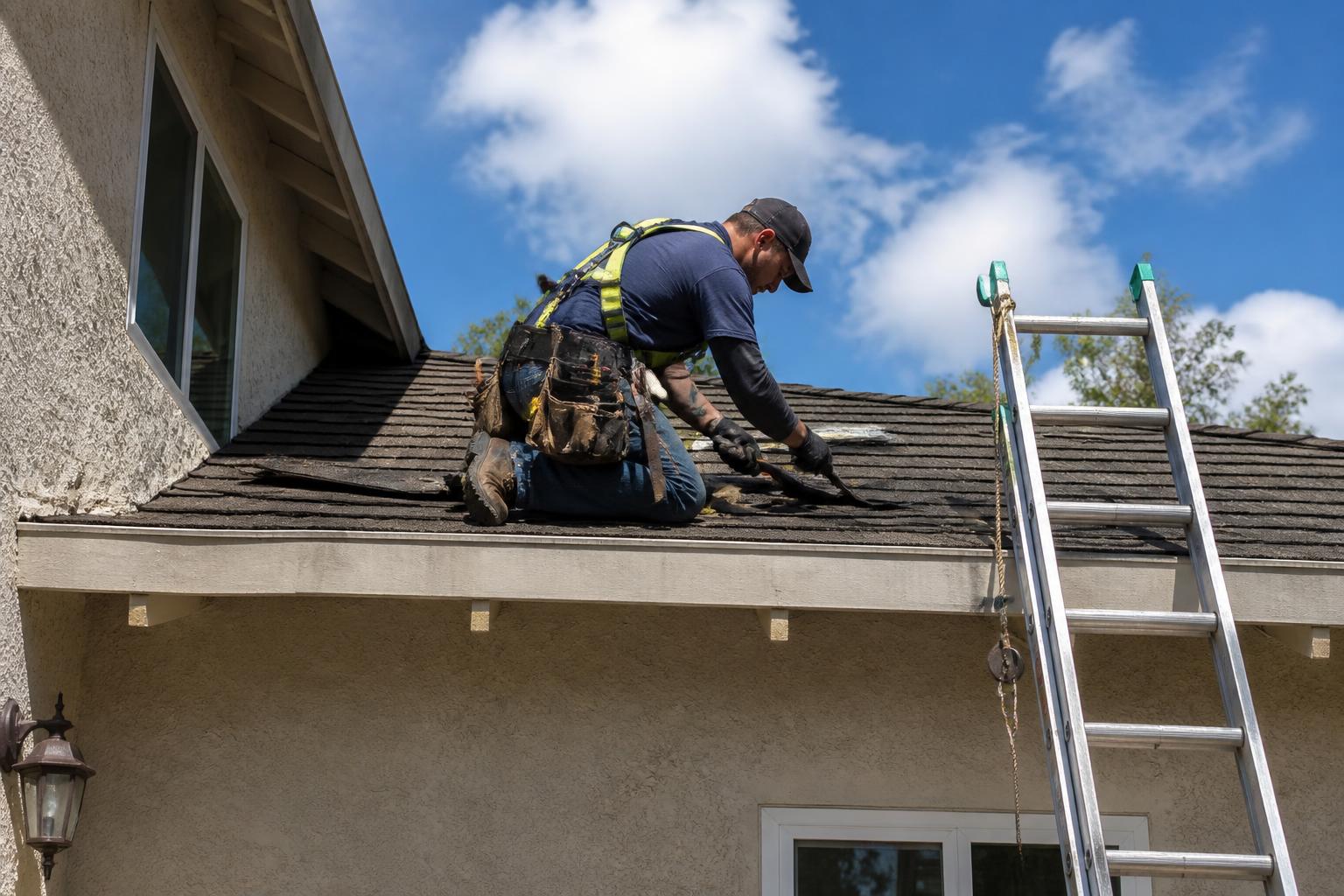
Repairs on an existing BUR roof usually mean cutting out the damaged plies down to sound material, patching in new felt and asphalt, and re-flooding with gravel or cap sheet to match. Matching old asphalt to new can be tricky - we test compatibility before committing so the patch actually bonds instead of just sitting on top.

How we install and repair BUR

Lifespan and typical problems

A well-maintained built-up roof can run 20 to 30 years, longer than some single-ply systems, which is the main reason building owners stick with it on properties where it's already installed. The tradeoff is weight - a gravel-surfaced BUR roof is heavy, and older structures should be checked before adding more plies on top of an already-loaded deck.

Common failures include alligatoring (cracking of the surface asphalt from UV and age), blistering from trapped moisture, and gravel displacement that exposes the asphalt underneath to direct sun. Ponding water is a bigger concern on BUR than on some membranes because standing water accelerates the breakdown of the asphalt plies over time.

Lifespan and typical problems
Free Roof Inspection

Not sure what your roof really needs?

Book a free, no-pressure visit. We look at what you have, explain the options in plain English and give you honest numbers before anything moves forward.

Maintenance that keeps a BUR roof going

Gravel roofs need periodic re-graveling in bare spots where the surfacing has thinned or washed toward drains. Drains themselves need regular clearing - gravel and debris migrate toward low points and clog them fast if nobody's checking.

We also recommend coating older BUR roofs with an aluminum or elastomeric reflective coating once the gravel surface has worn thin, which buys real years of life at a fraction of a full re-roof cost.

  • Clear drains and scuppers of gravel and debris regularly
  • Re-gravel bare or thin spots before asphalt gets sun-exposed
  • Coat aging cap sheets with reflective aluminum or elastomeric coating
  • Inspect after wind events for lifted flashing and displaced gravel
Maintenance that keeps a BUR roof going

Structural considerations before re-roofing

Because BUR systems are heavy, especially gravel-surfaced ones, we check the roof structure before recommending a tear-off and rebuild versus a recover. On some older buildings, going to a lighter modified bitumen or TPO system during a re-roof reduces structural load and gives better long-term performance - we'll tell you honestly when that's the smarter move instead of just rebuilding what was there.

Structural considerations before re-roofing

BUR roofs and solar

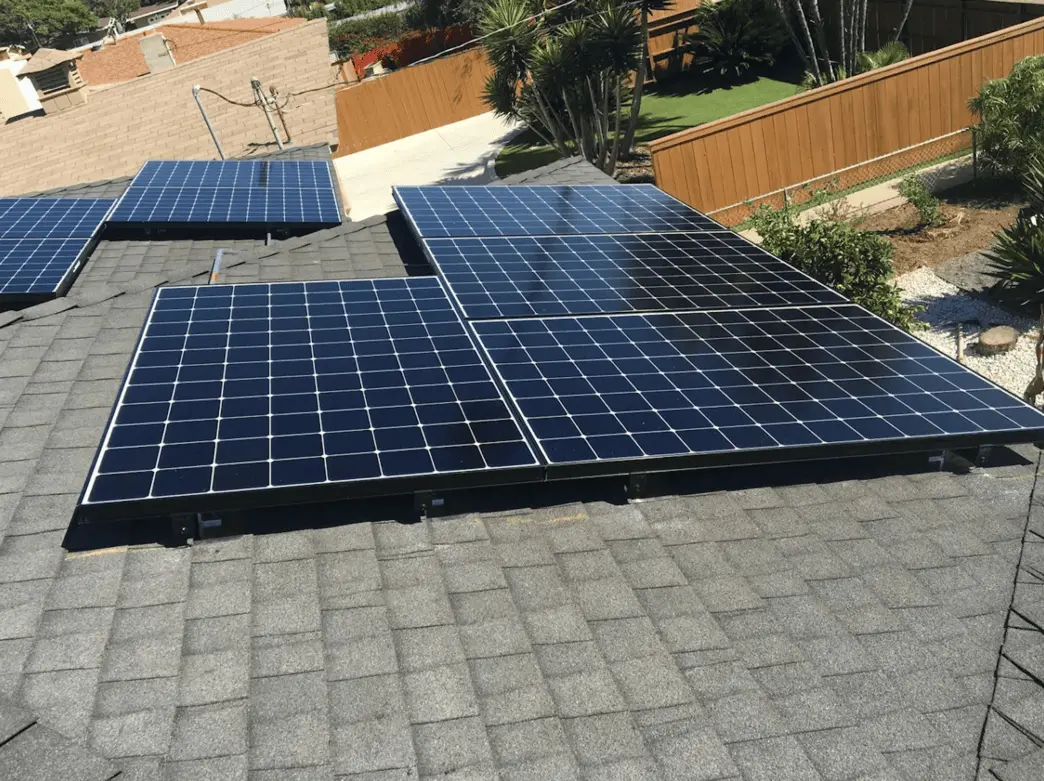
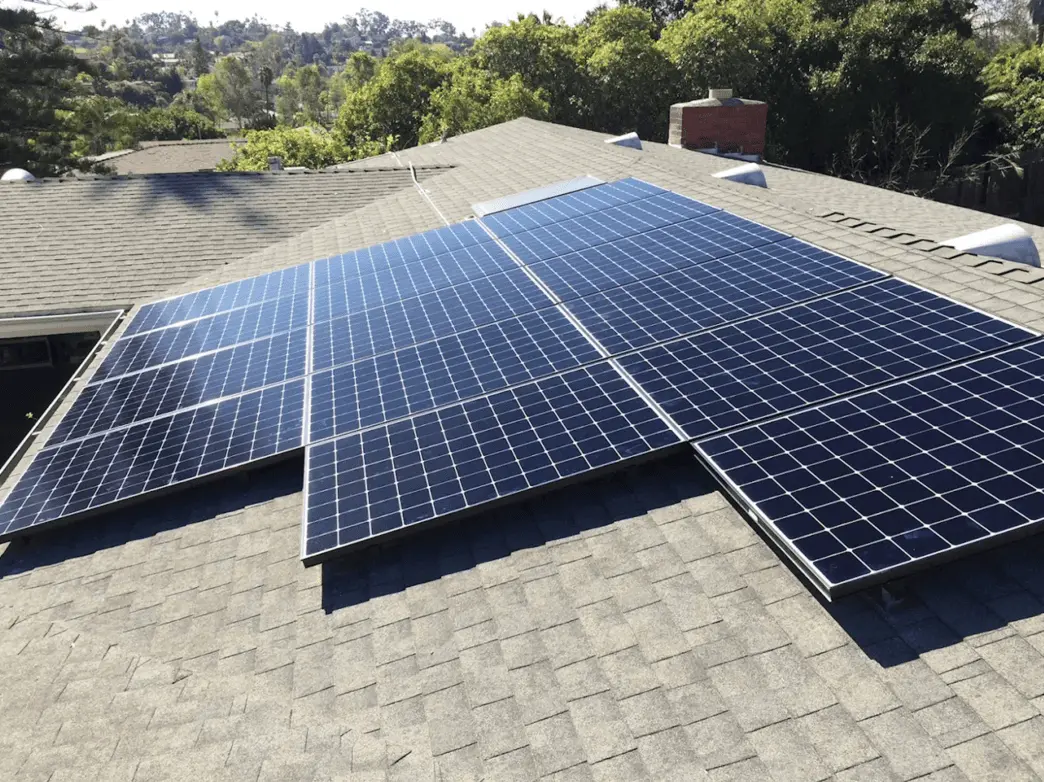
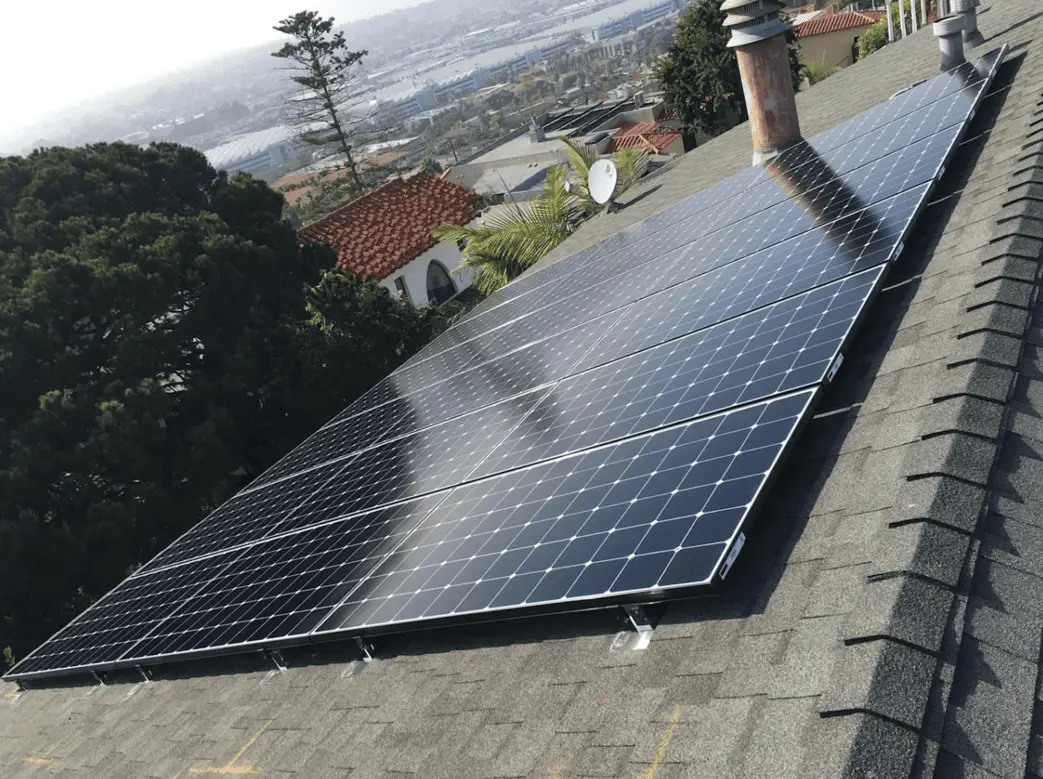
Solar on a gravel BUR roof usually means a ballasted racking system rather than roof penetrations, since the surface isn't ideal for standard mounting hardware. Load calculations matter here more than on other roof types, given how much a gravel-surfaced roof already weighs before panels go on.

We evaluate the deck and existing dead load as part of any solar planning on these roofs, since guessing on structural capacity isn't something we're willing to do.

BUR roofs and solar

Cost factors for built-up roofing

Costs depend on the number of plies, whether hot asphalt or cold-process is used, gravel versus cap-sheet finish, and the condition of the existing deck. BUR labor tends to run higher than single-ply systems because of the mopping process, but the material itself is a known, stable cost.

We walk the roof and check the deck before quoting, since hidden deck damage under an old BUR system is common and changes the scope significantly.

Cost factors for built-up roofing

Other Roofing Services

Explore the rest of our roofing work across Southern California.

Roof Repair

Roof Repair

Fast, honest fixes for leaks, damage and worn spots – done right the first time.

Roof Replacement

Roof Replacement

Full tear-off and replacement with premium shingle, tile or metal systems.

Emergency Roof Repair

Emergency Roof Repair

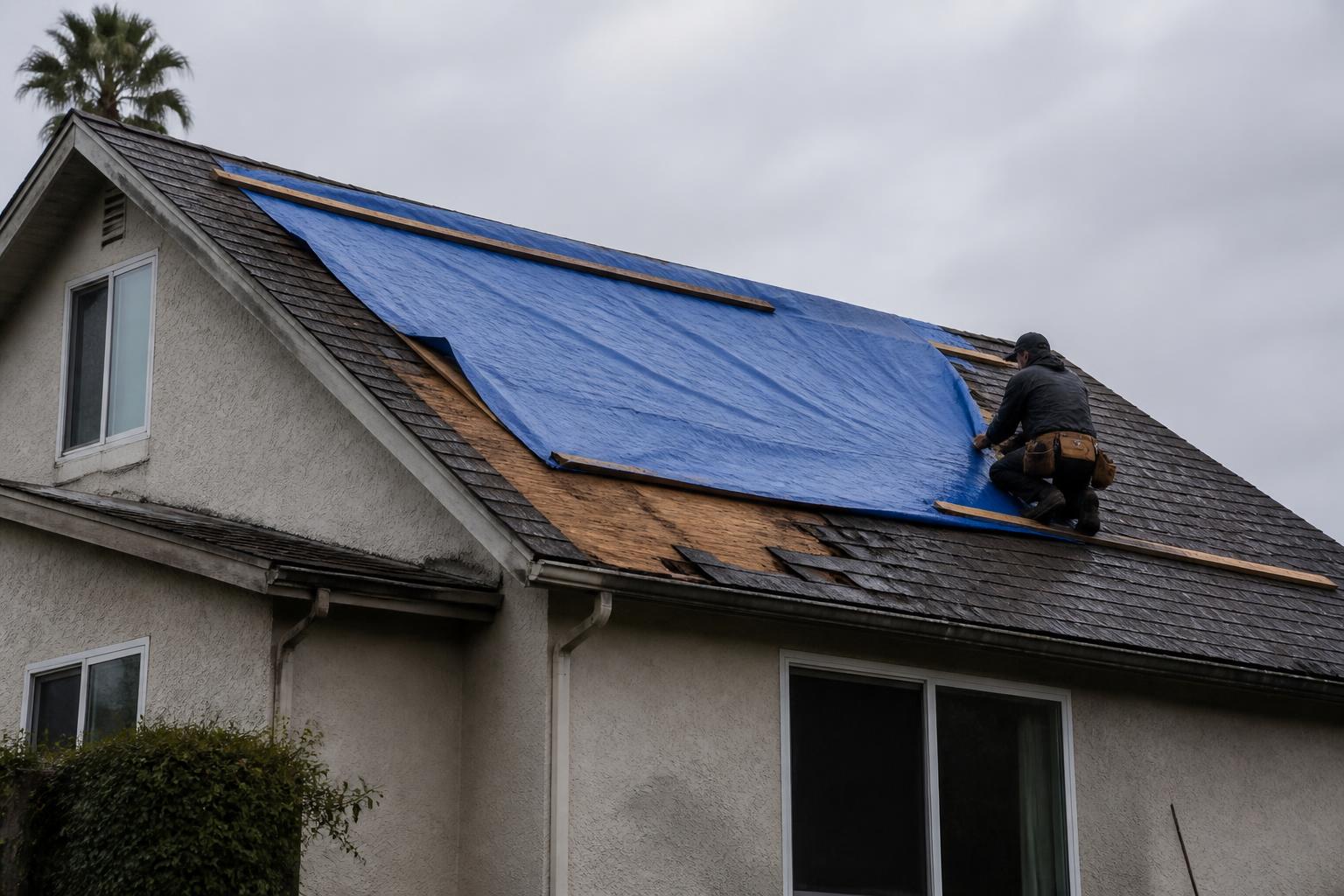
Storm damage or an active leak? We tarp, patch and stabilize your roof fast.

Roof Inspection

Roof Inspection

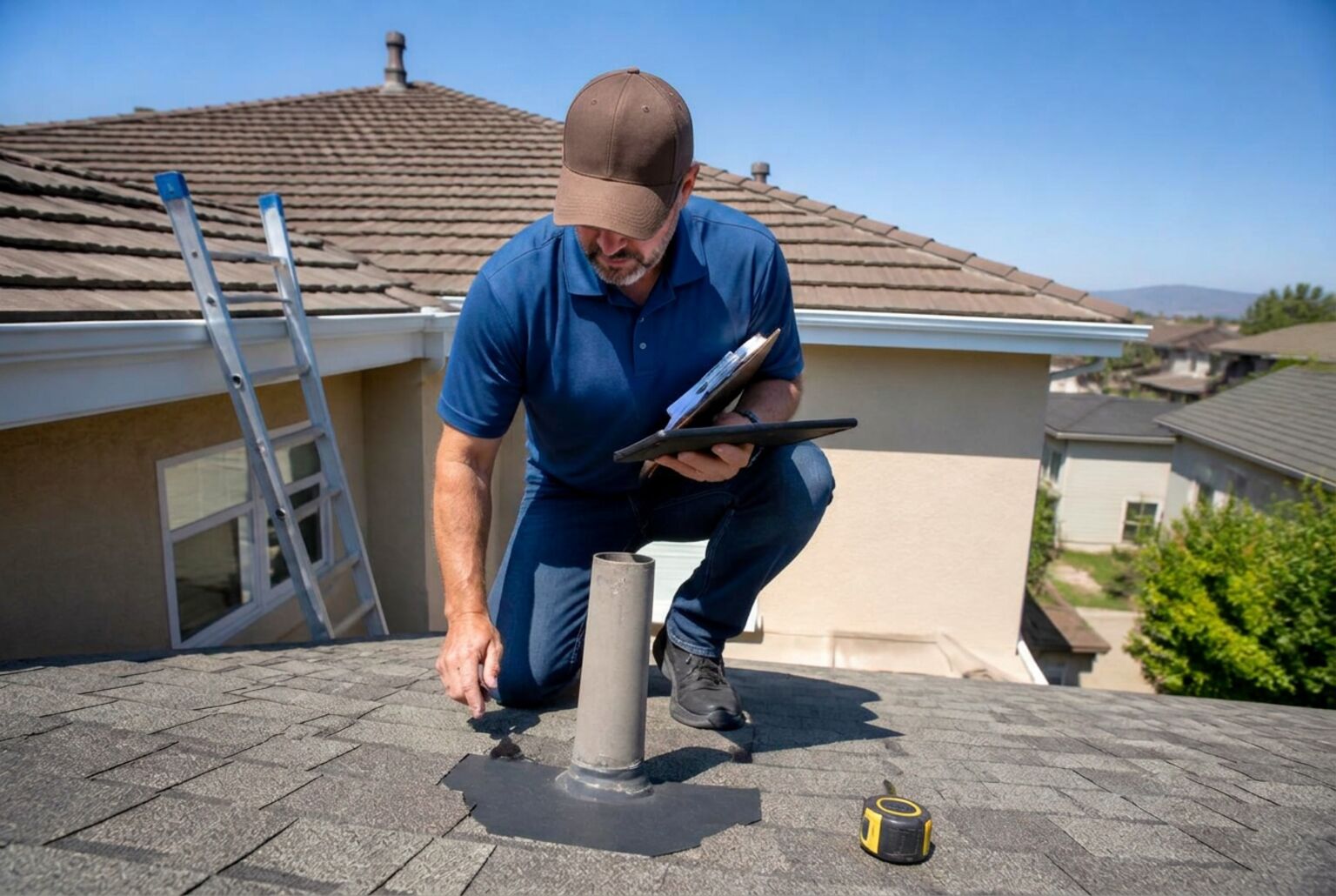
Detailed inspection with photos and a clear repair-vs-replace recommendation.

View Roofing Services

Talk to a Local Roofer

Free, no-pressure estimates across Southern California. We'll take a look, explain what we find, and give you clear options.