Single-Ply Roofing in Southern California

Single-Ply Roofing in Southern California

TPO, PVC and EPDM membrane systems for flat and low-slope roofs - one sheet, welded or adhered seams, built for commercial and flat residential sections.

Single-ply is the broad category that covers TPO, PVC and EPDM - membranes installed in one layer instead of the multiple plies you'd see in built-up or modified bitumen roofing. We install and repair all three, and picking the right one depends on the building, the budget and what's already on the roof.

What falls under single-ply

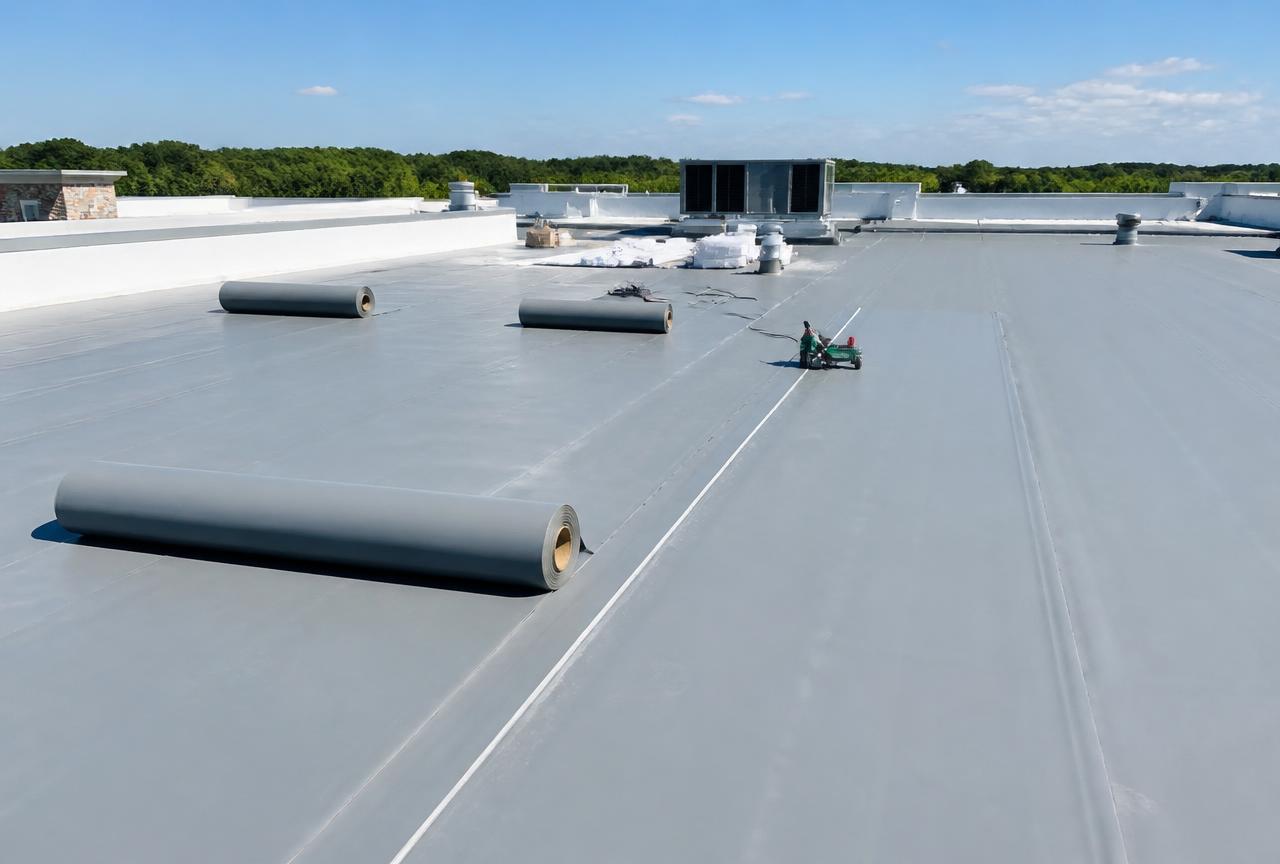
Single-ply roofing means the waterproofing layer is a single sheet of membrane rather than built up from multiple layers of felt or bitumen. The three materials we work with most are TPO (thermoplastic, heat-welded, usually white), PVC (also thermoplastic and heat-welded, more chemical-resistant), and EPDM (a rubber membrane, typically black, seamed with adhesive tape or liquid adhesive rather than heat).

Each one has a different chemistry and a different install method, so "single-ply" isn't one product - it's a category, and the right choice depends on the building's use, the roof's exposure and what's being asked of it.
What falls under single-ply

Choosing between TPO, PVC and EPDM

TPO is the most common choice for general commercial low-slope roofs - reflective, cost-effective, heat-welded seams. PVC costs more but holds up better against grease, chemicals and oils, which makes it the right call for restaurant roofs with kitchen exhaust or industrial buildings with rooftop chemical exposure.

EPDM is a proven, older technology - rubber membrane that's flexible in cold weather and has a long track record, though it's less common in new Southern California installs now that TPO dominates the market. It still shows up on some existing roofs we maintain and repair, and it's a reasonable choice on roofs where a fully adhered black membrane and lower material cost matter more than reflectivity.

Choosing between TPO, PVC and EPDM

How installation differs by material

TPO and PVC seams get heat-welded with a hot-air gun, fusing the sheets into a single continuous membrane at the molecular level when done correctly. EPDM seams get bonded with either a seam adhesive or pre-applied tape, which is a different skill set and a different failure mode if it's done poorly - adhesive seams can fail over time in ways welded seams generally don't.

All three get mechanically attached or fully adhered over insulation board, or in some cases ballasted with stone (mostly EPDM on large flat commercial roofs). We choose the attachment method based on wind uplift requirements, roof structure and local code.

How installation differs by material

Where single-ply roofs go on Southern California buildings

Warehouses, retail centers, office buildings, apartment complexes and flat residential additions across the county. Single-ply has become the dominant choice for new low-slope construction because it installs faster than built-up or fully mopped modified bitumen and performs well under UV exposure.

Where single-ply roofs go on Southern California buildings
Free Roof Inspection

Not sure what your roof really needs?

Book a free, no-pressure visit. We look at what you have, explain the options in plain English and give you honest numbers before anything moves forward.

Lifespan and failure patterns

TPO and PVC typically run 20 to 25 years. EPDM has a similar range, sometimes longer with fully adhered systems and good maintenance. Across all three, seams and flashing details are where failures happen - the field membrane itself rarely fails first.

PVC has an added consideration: some older PVC formulations experienced plasticizer loss over decades, making the sheet brittle. Modern PVC has largely addressed this, but it's worth knowing the material's history if you're evaluating an older PVC roof.

Lifespan and failure patterns

Maintenance across single-ply systems

All single-ply roofs benefit from the same basics - keep drains clear, inspect seams and flashings annually, repair punctures from foot traffic or rooftop equipment right away, and don't let standing water sit indefinitely even on membranes rated to handle it.

  • Annual seam and flashing inspection
  • Immediate puncture repair to prevent water tracking under the membrane
  • Clear drains and scuppers each season
  • Check rooftop equipment curbs where vibration can loosen flashing
Maintenance across single-ply systems

Single-ply roofing and solar

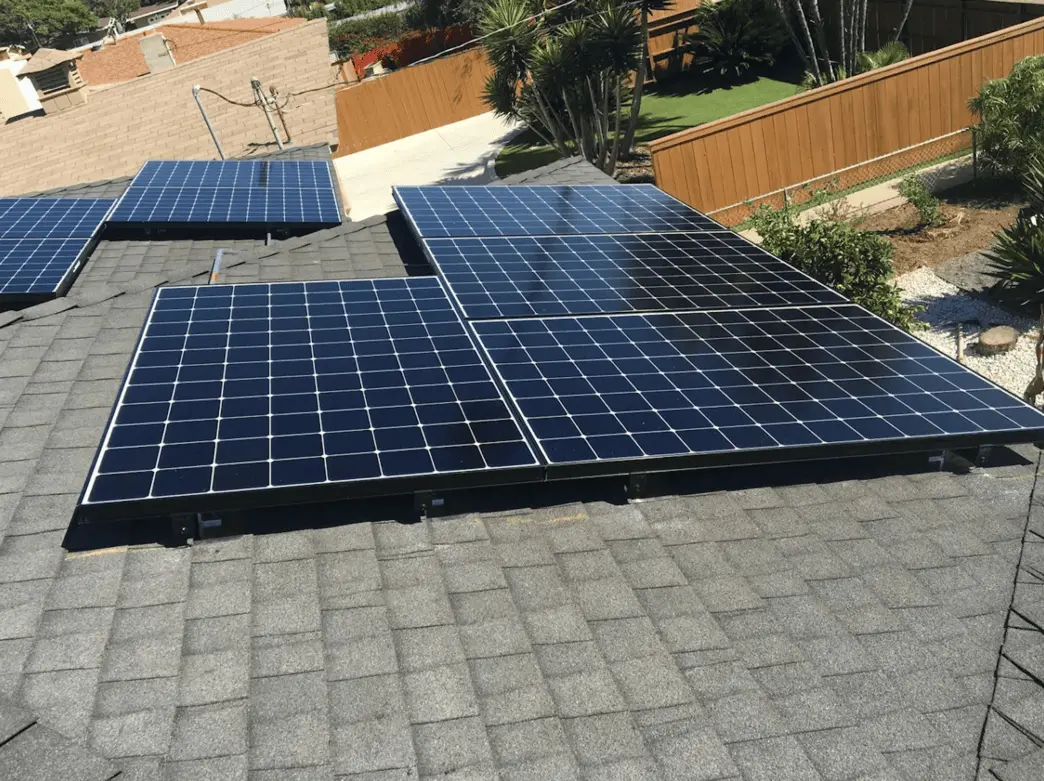
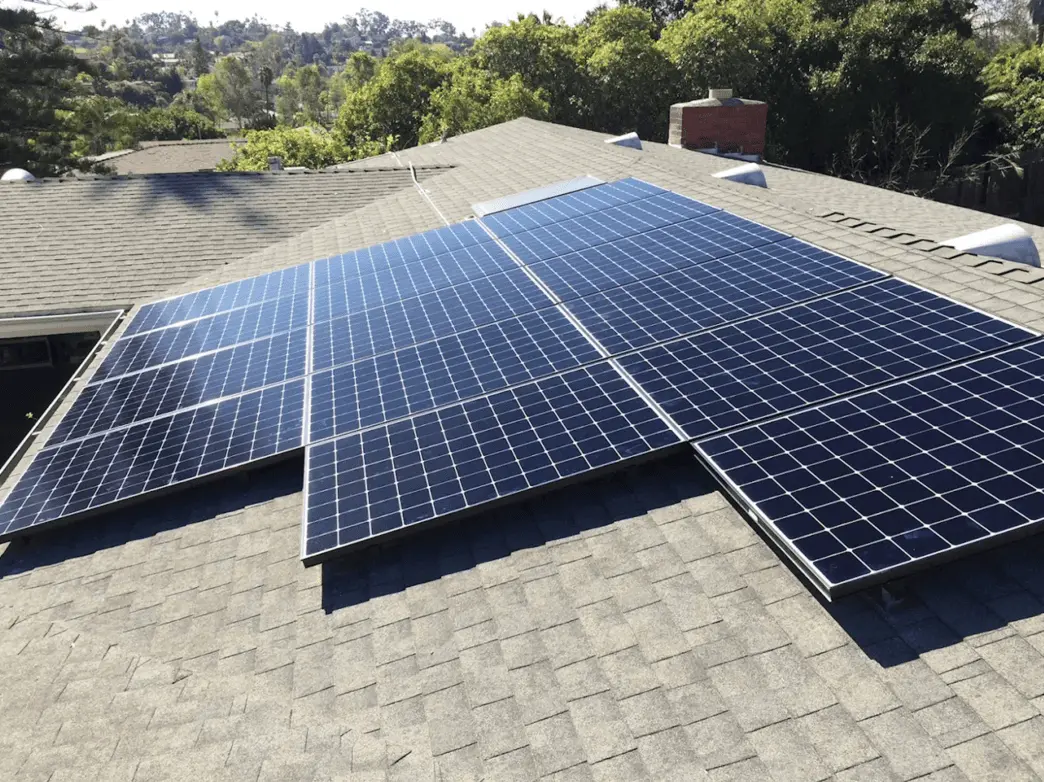
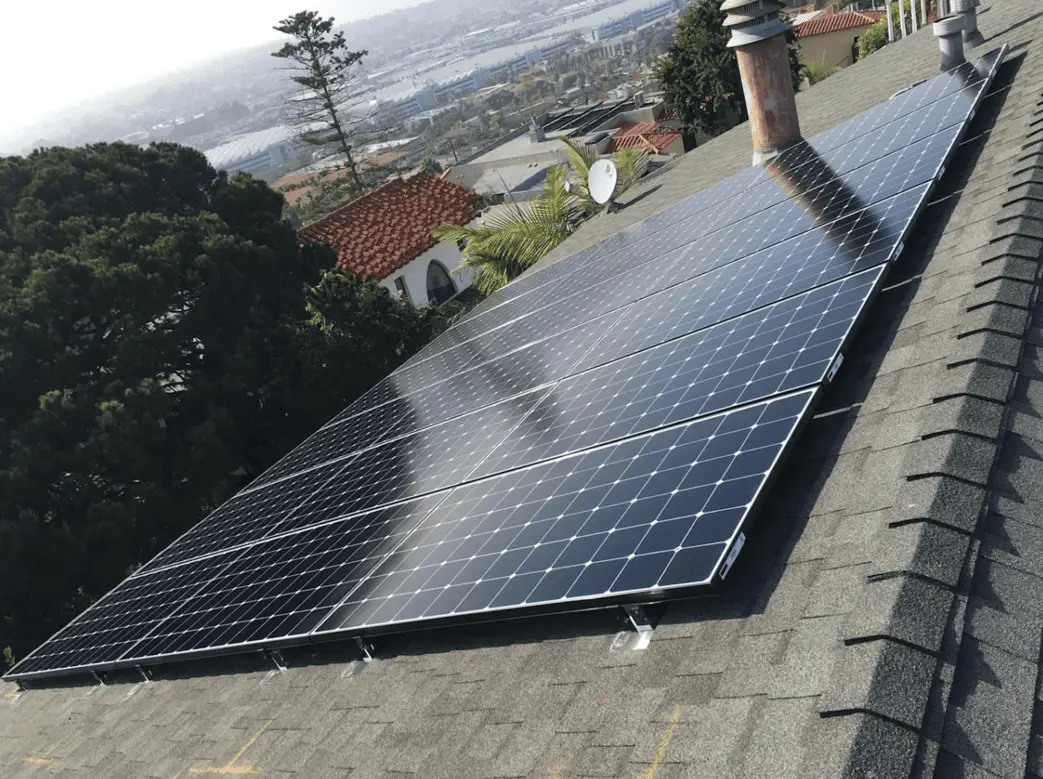
Mechanically attached and ballasted single-ply systems both work with solar, but they need to be planned together. Ballasted racking spreads weight without penetrations, which works well on EPDM and some TPO systems, while mechanically attached membranes require properly flashed penetration points for racking feet.

We coordinate the roofing system and the solar racking layout in-house so the two are designed to work together instead of one crew guessing at what the other one did.

Single-ply roofing and solar

Cost factors for single-ply roofing

PVC generally costs more than TPO due to material price and welding requirements. EPDM often costs less upfront but the market for skilled EPDM crews has shrunk as TPO took over, which can affect repair availability down the line. Square footage, insulation condition, and the number of curbs and penetrations all factor into a final number.

We inspect the roof and talk through the building's actual use - kitchen exhaust, chemical exposure, foot traffic - before recommending which single-ply material fits best, rather than defaulting to whatever's cheapest.

Cost factors for single-ply roofing

Other Roofing Services

Explore the rest of our roofing work across Southern California.

Roof Repair

Roof Repair

Fast, honest fixes for leaks, damage and worn spots – done right the first time.

Roof Replacement

Roof Replacement

Full tear-off and replacement with premium shingle, tile or metal systems.

Emergency Roof Repair

Emergency Roof Repair

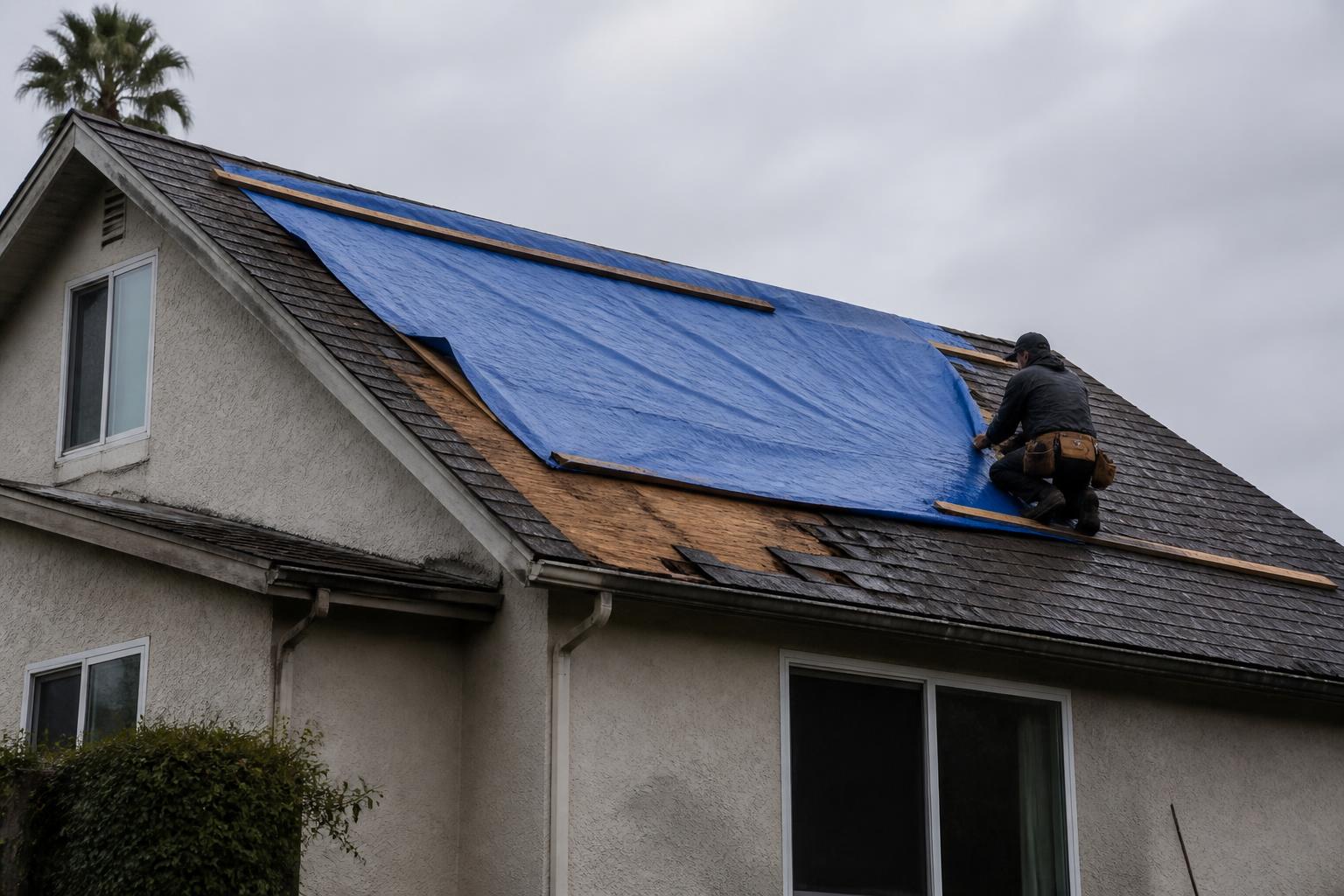
Storm damage or an active leak? We tarp, patch and stabilize your roof fast.

Roof Inspection

Roof Inspection

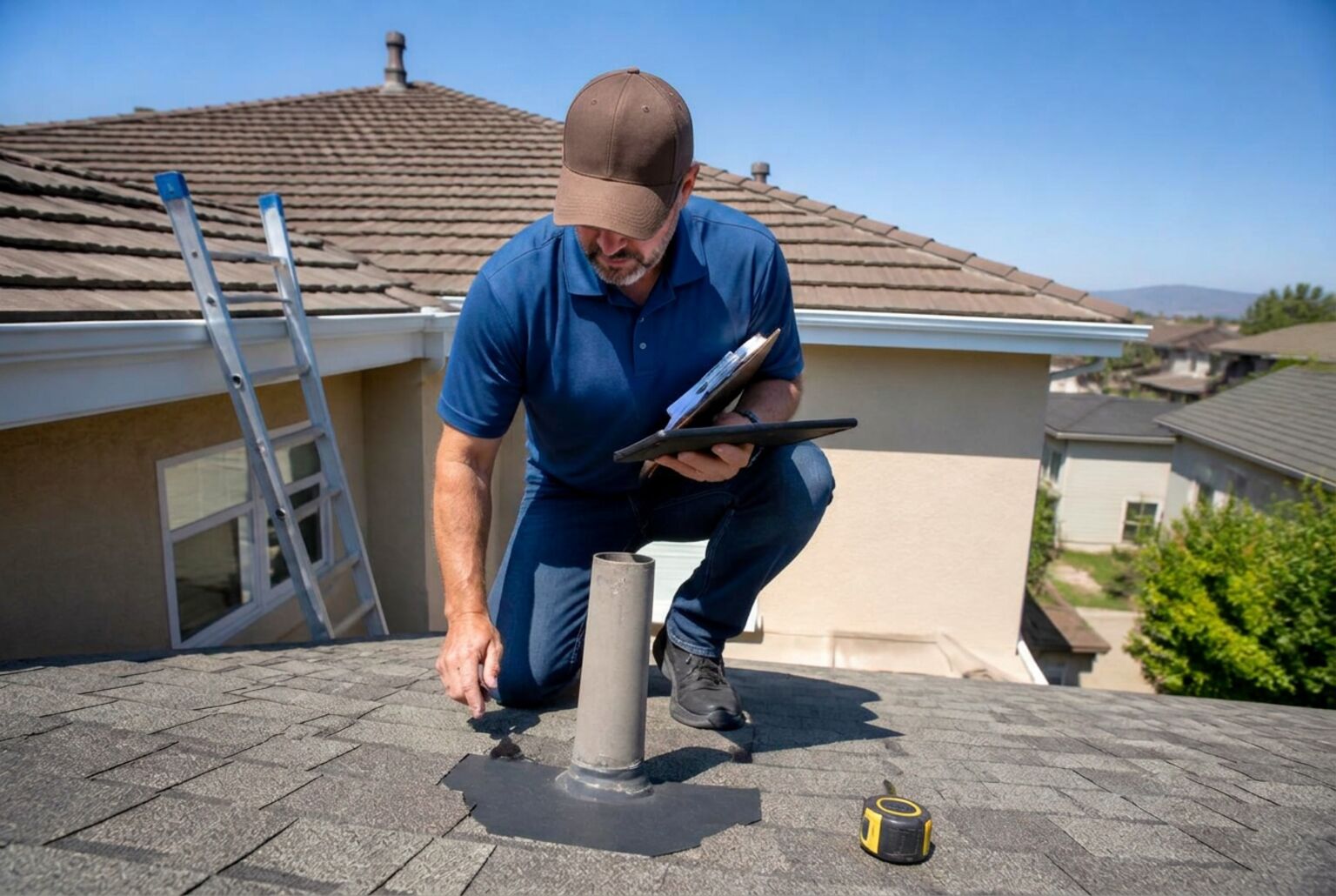
Detailed inspection with photos and a clear repair-vs-replace recommendation.

View Roofing Services

Talk to a Local Roofer

Free, no-pressure estimates across Southern California. We'll take a look, explain what we find, and give you clear options.