Torch-Down Roofing in Southern California

Torch-Down Roofing in Southern California

APP modified bitumen applied with an open flame - a fast, durable membrane for flat roofs, additions and low-slope sections done right.

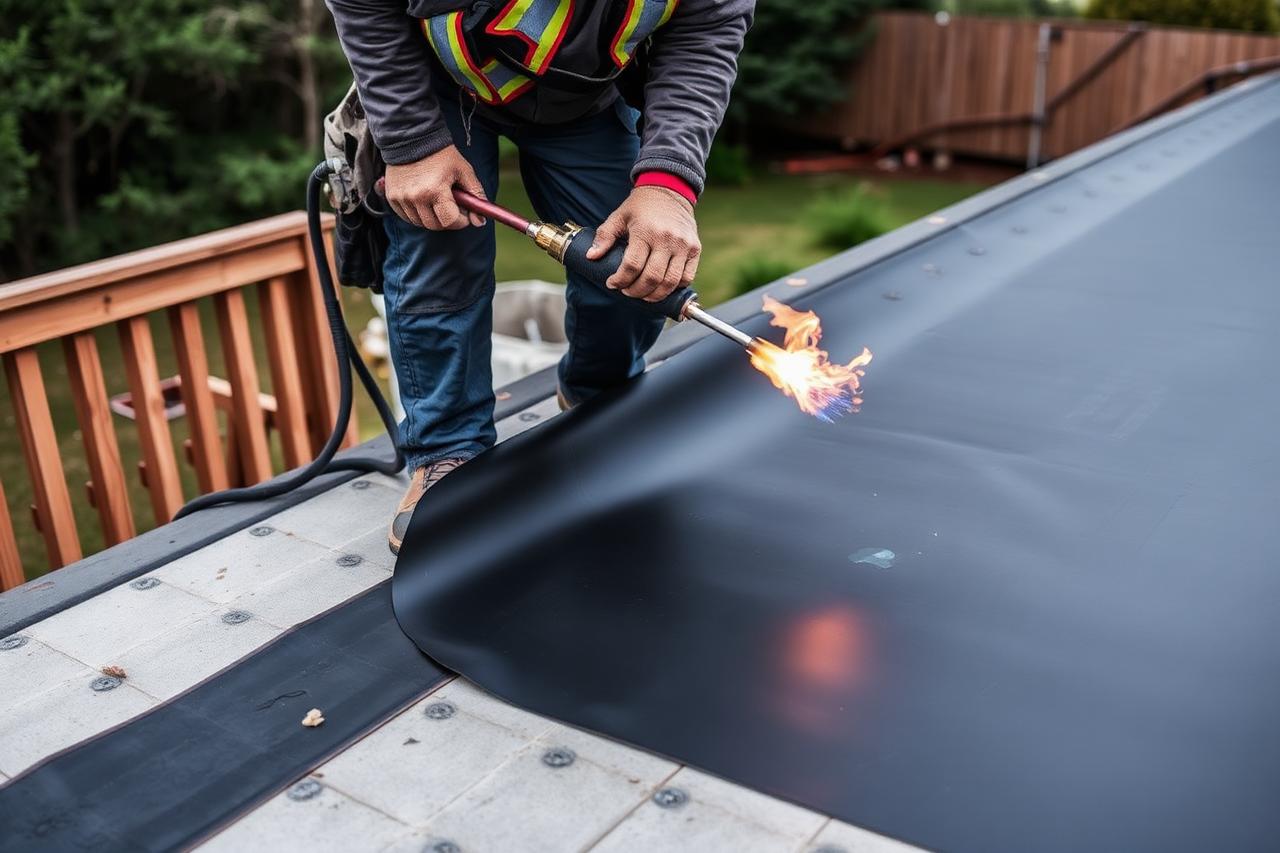
Torch-down is the nickname for APP modified bitumen installed with a propane torch instead of cold adhesive or hot mop. It's a common call on flat residential additions and smaller commercial roofs, and it's one of the systems where installer experience matters as much as the material itself.

What torch-down roofing is

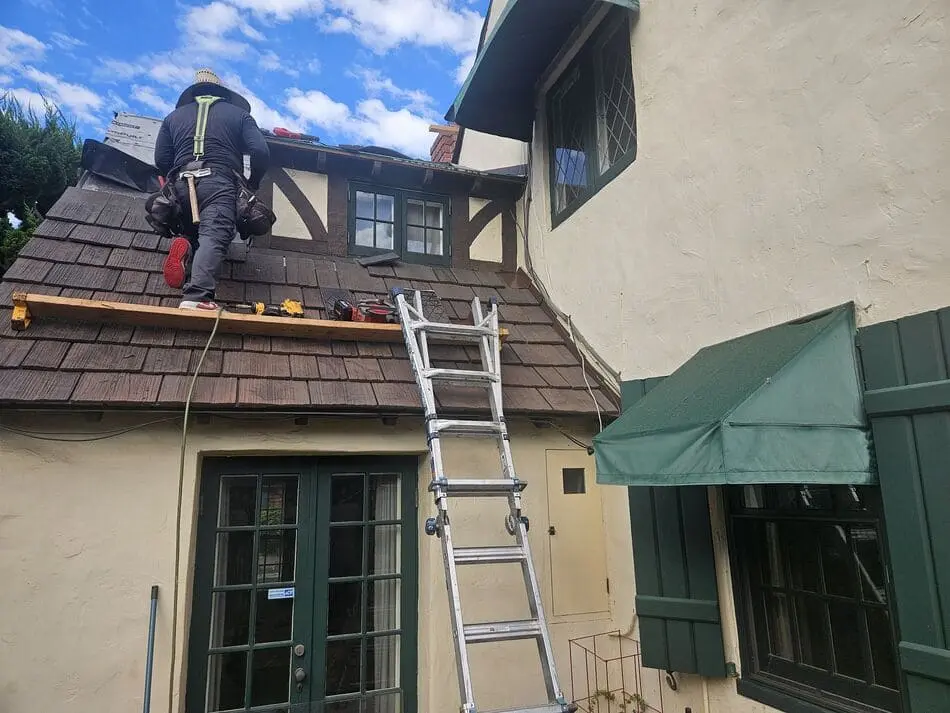
Torch-down is a single or multi-ply modified bitumen membrane, usually granulated cap sheet on top and a base sheet underneath. Instead of cold adhesive or hot asphalt, the underside of the roll is heated directly with a torch as it rolls out, melting the asphalt so it fuses to the base sheet or insulation below.

Done right, it creates a fully adhered, monolithic membrane with no gaps for water to work into. Done wrong - torch held too long in one spot, insufficient heat, seams rolled without proper bleed-out of melted asphalt - it fails early and it fails at the seams first.
What torch-down roofing is

Where we use torch-down

This is a flat and low-slope material - garage roofs, additions, porch roofs, small commercial buildings and sections of larger roofs that tie into a steep-slope tile or shingle system. It's a common go-to on residential flat sections across Southern California where the roof is small enough that torch application is efficient and cost-effective compared to a full single-ply crew setup.

It's not something we'd put on a large commercial roof where an automated single-ply system or hot-mopped modified bitumen makes more sense - torch-down earns its keep on smaller, detail-heavy sections.

Where we use torch-down

Installation and fire safety

Torch work requires real caution. We inspect the deck for combustible debris before starting, keep fire extinguishers on hand, and do a fire watch after the torch is put away since smoldering material can flare up an hour or more after application looks finished. This isn't optional on our jobs - torch roofing fires are a real, documented risk in the industry when crews get careless.

On buildings where an open flame isn't appropriate - near vents, tight eaves, tenant-occupied spaces with limited clearance - we'll recommend cold-adhesive modified bitumen instead and explain why upfront rather than torching somewhere it shouldn't happen.

Installation and fire safety

Lifespan and where it fails

A properly torched modified bitumen roof runs 15 to 20 years. The APP formulation holds up well to Southern California sun, which is a big part of why it's popular here versus SBS in colder climates.

Failures show up almost exclusively at seams and flashing details rather than in the open field of the membrane - a seam that didn't get enough heat to fully bond, or a flashing detail where the torch couldn't get proper access around a pipe or curb. Blistering from trapped moisture during installation is another common issue, usually traced back to wet insulation or a deck that wasn't fully dry before torching.

Lifespan and where it fails
Free Roof Inspection

Not sure what your roof really needs?

Book a free, no-pressure visit. We look at what you have, explain the options in plain English and give you honest numbers before anything moves forward.

Repair approach

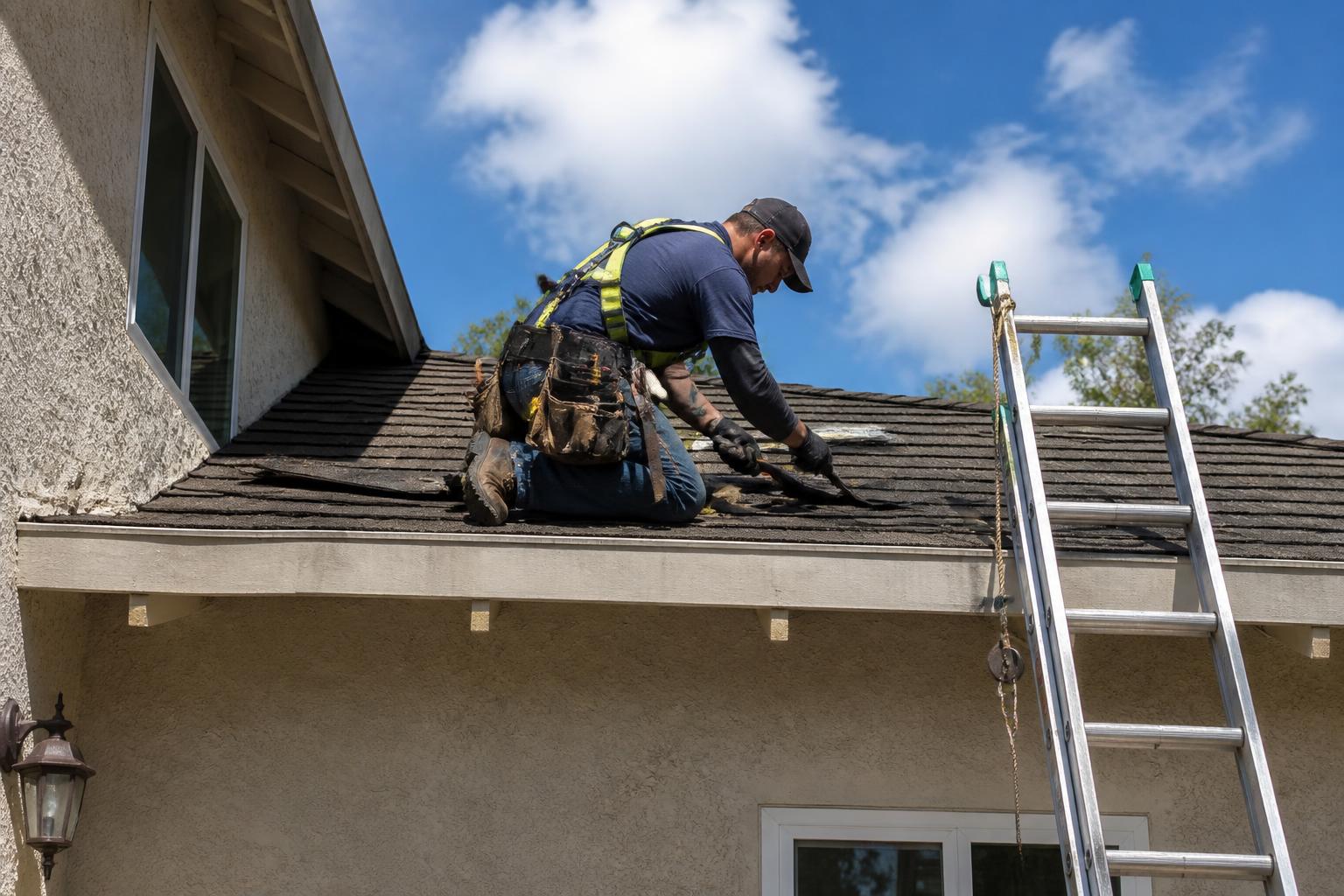
Repairing torch-down is straightforward when the surrounding membrane is sound - cut out the damaged section, torch in a patch that overlaps cleanly, and reseal the perimeter. We check for granule loss and UV wear across the whole roof while we're up there, not just at the leak point, since a roof old enough to have one failed seam usually has a couple more coming.

  • Torch patch repairs on isolated seam or flashing failures
  • Granule and UV wear inspection across the full membrane
  • Blister repair where trapped moisture has lifted the sheet
  • Reflective coating option on aging, smooth cap sheets
Repair approach

Maintenance recommendations

Walk the roof after major wind or heat events and check flashing edges, since that's where problems start. Keep any drains clear, and don't let ponding water sit for extended periods even though APP resists UV well.

We suggest an annual look, particularly before rainy season, so any lifted edge gets resealed before it becomes an active leak.

Maintenance recommendations

Torch-down and solar attachment

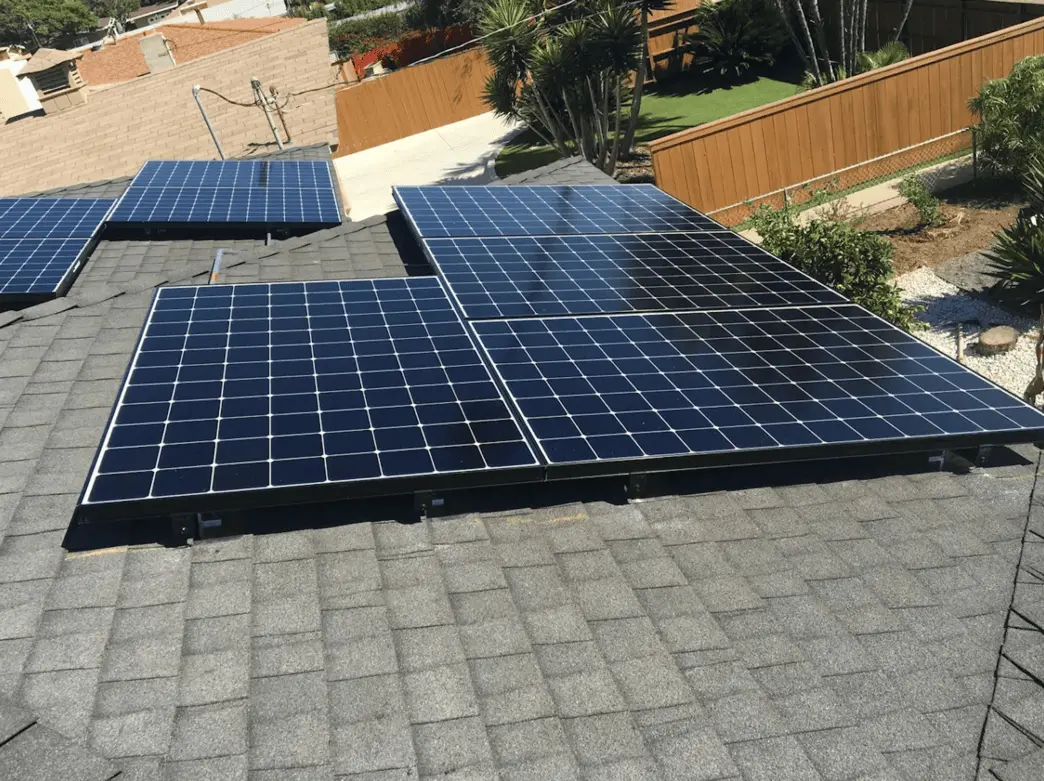
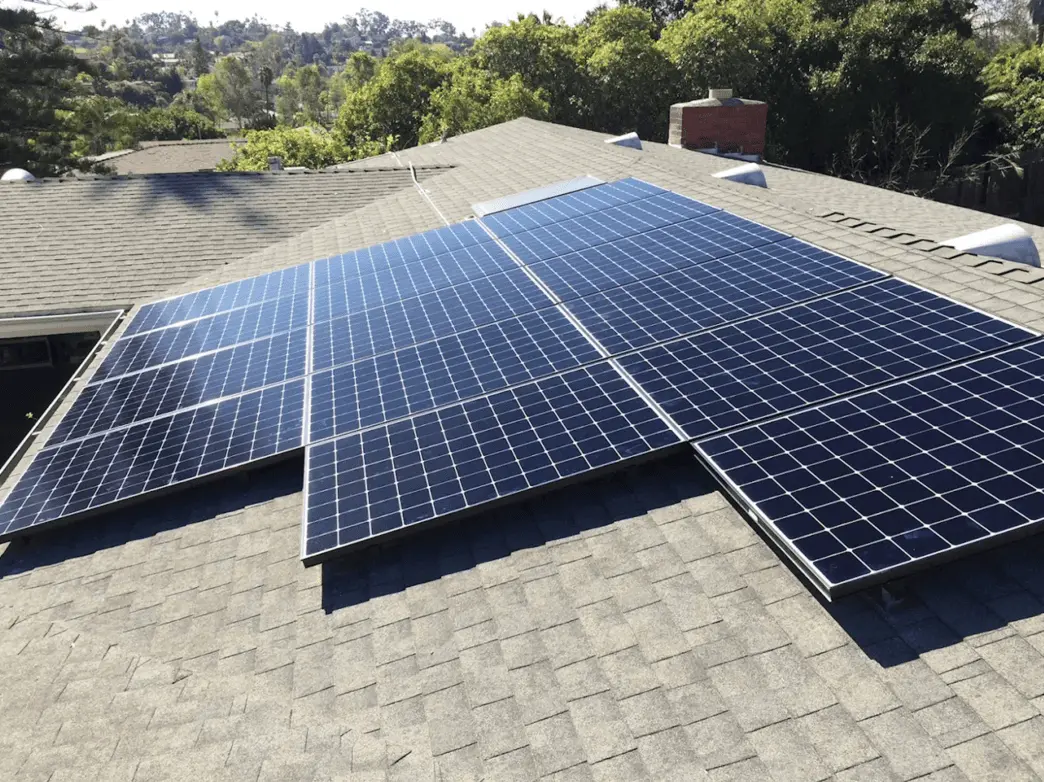
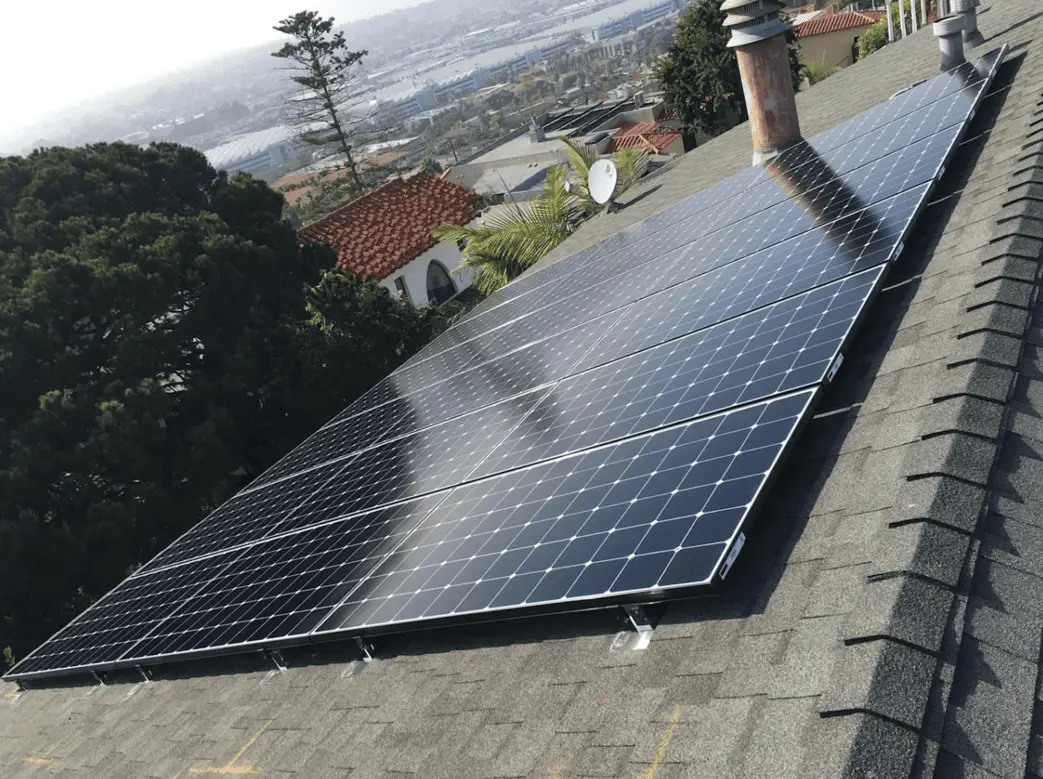
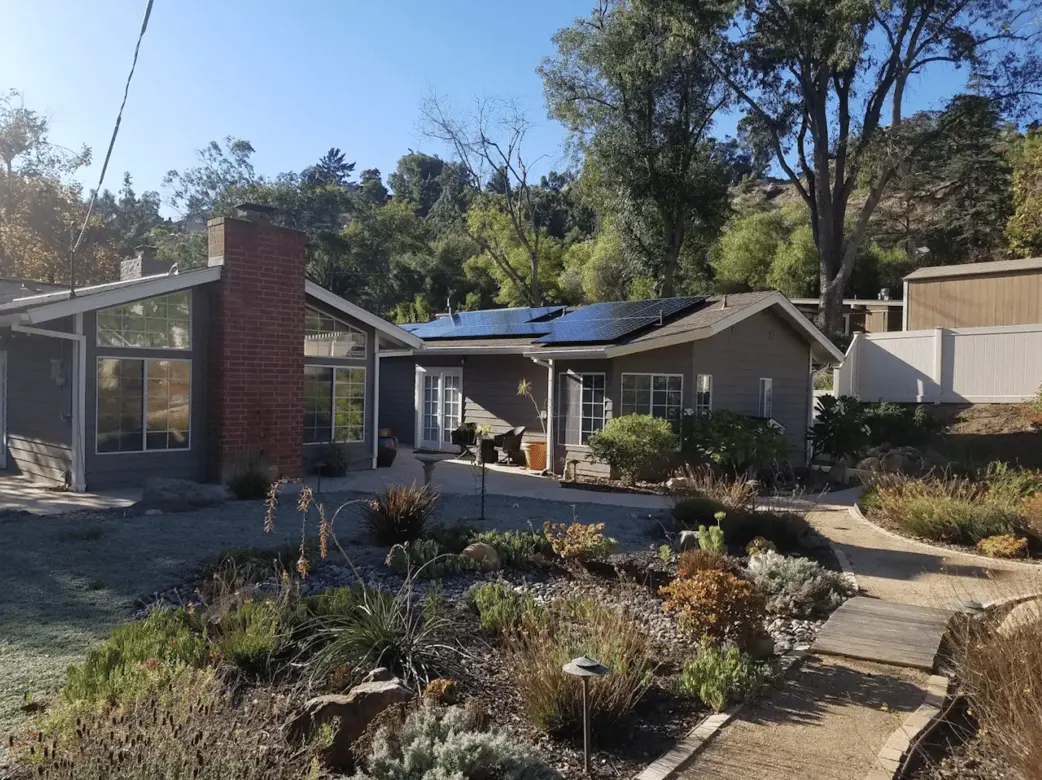
Solar racking on a torch-down roof needs its base flashed and torched in properly, not just sealed with mastic around a bolt. We integrate mounting points into the membrane during installation when solar is planned from the start, and retrofit properly when solar comes later.

Torch-down and solar attachment

What torch-down roofing costs

Pricing depends on square footage, number of plies, how detail-heavy the roof is with penetrations and flashing, and deck condition underneath. Smaller residential flat sections price differently than a full commercial roof, and access for propane tanks and equipment factors in too.

We quote after inspecting the deck and existing roofing, since torch-down over a compromised substrate is a recipe for early failure regardless of how good the membrane itself is.

What torch-down roofing costs

Other Roofing Services

Explore the rest of our roofing work across Southern California.

Roof Repair

Roof Repair

Fast, honest fixes for leaks, damage and worn spots – done right the first time.

Roof Replacement

Roof Replacement

Full tear-off and replacement with premium shingle, tile or metal systems.

Emergency Roof Repair

Emergency Roof Repair

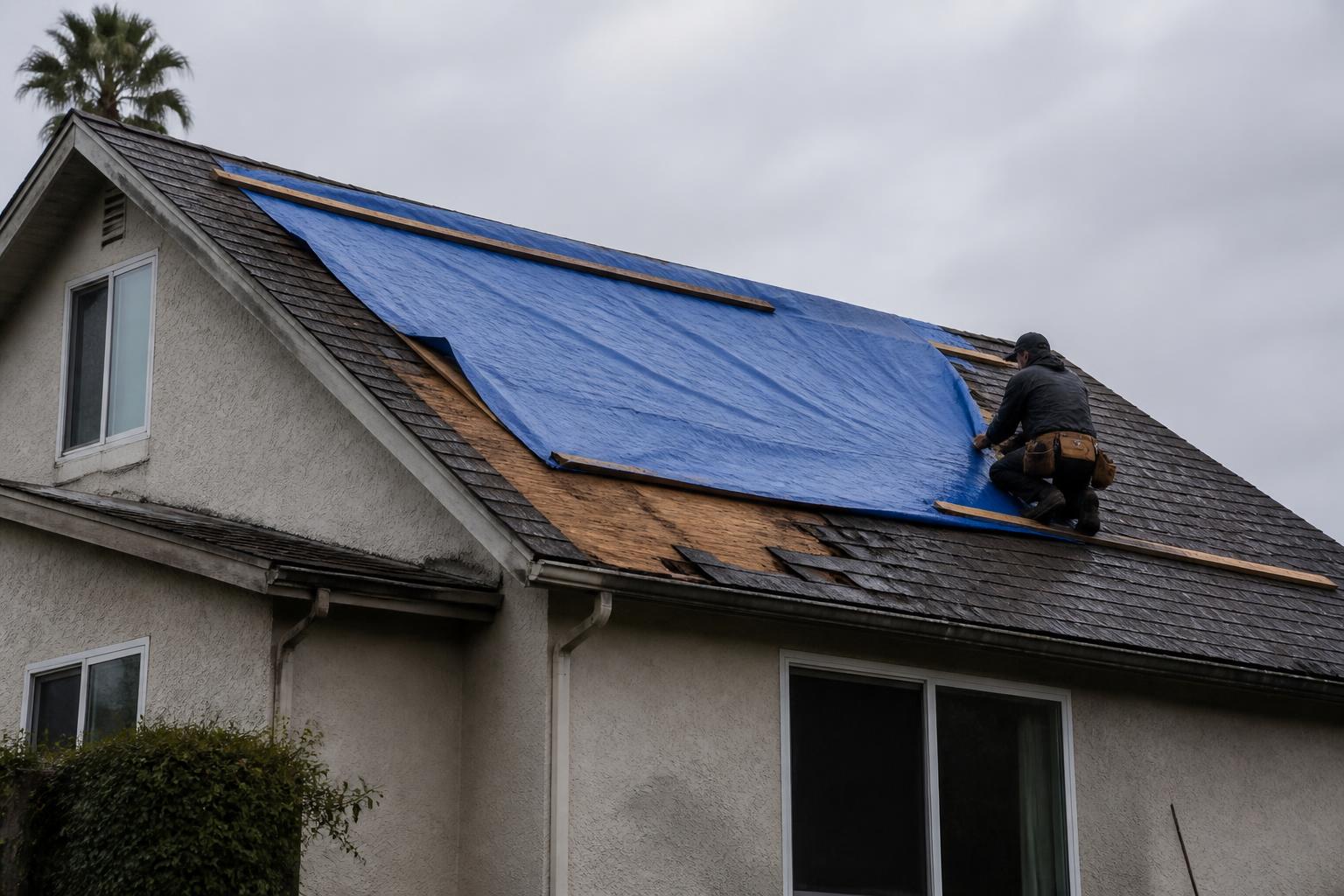
Storm damage or an active leak? We tarp, patch and stabilize your roof fast.

Roof Inspection

Roof Inspection

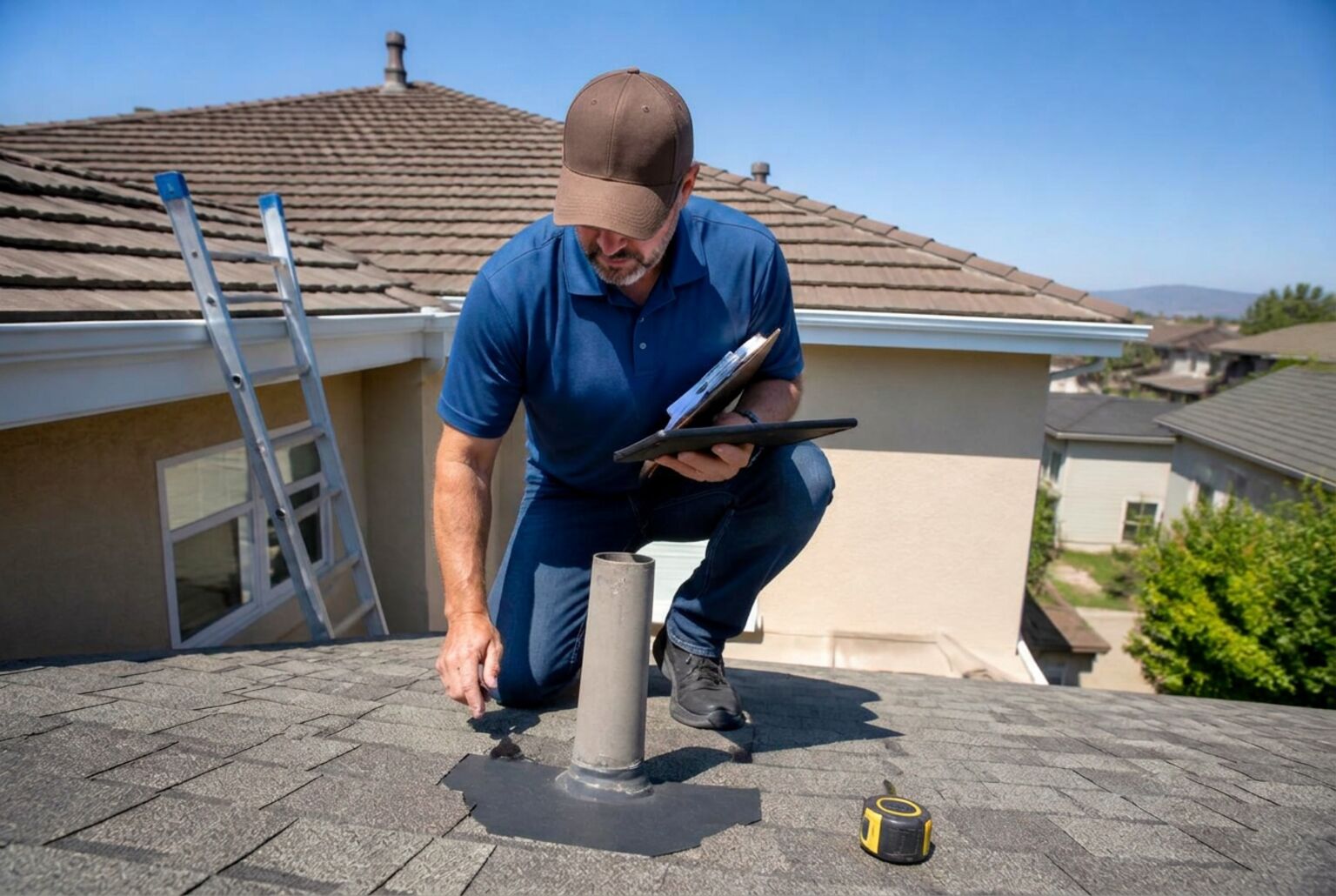
Detailed inspection with photos and a clear repair-vs-replace recommendation.

View Roofing Services

Talk to a Local Roofer

Free, no-pressure estimates across Southern California. We'll take a look, explain what we find, and give you clear options.