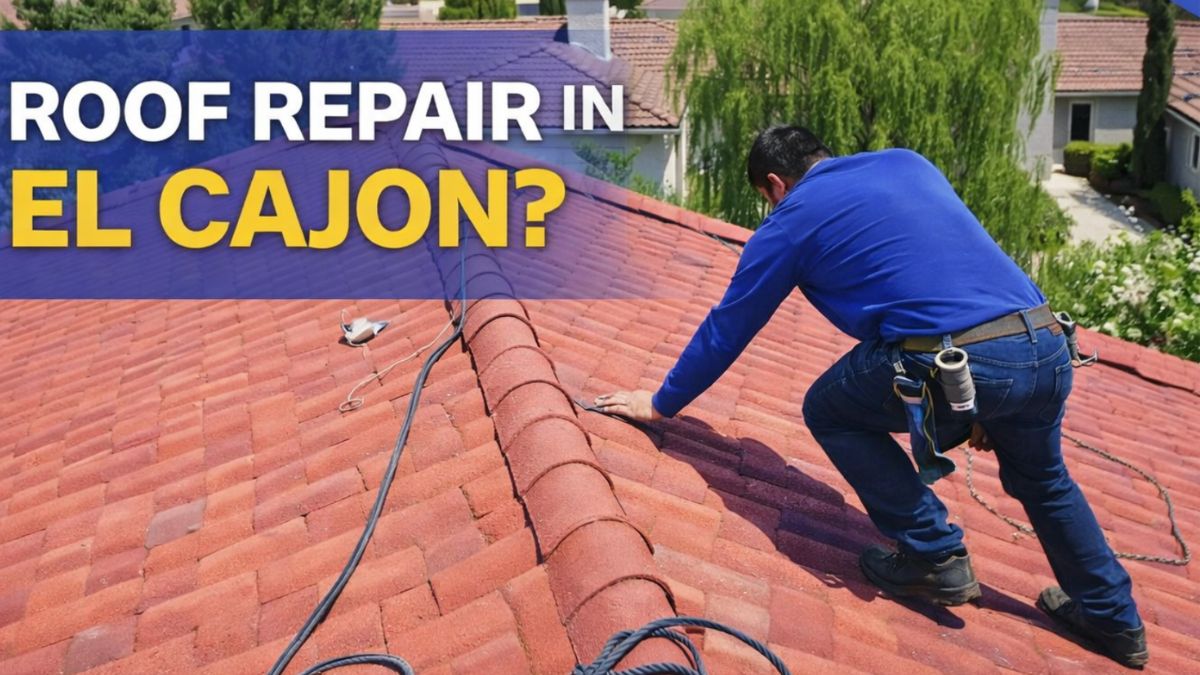

Roof leaks in Southern California rarely start where the ceiling is wet. Water enters at a joint, runs along the underlayment or a rafter, and drips out at the first nail hole it finds - sometimes ten feet away.
That is why the fastest fix starts with tracing, not patching. Over four decades of local roofs, the same seven causes account for the large majority of calls we take.
Below is each cause, how to recognize it from inside and outside the house, and what a correct repair actually involves so you know whether a quote makes sense.
TL;DR
- Flashing failures at walls, chimneys and skylights are the number one cause we find.
- Cracked plumbing vent boots are the cheapest and most common single-point leak: usually $250 to $600.
- Clogged drains and scuppers cause most flat-roof leaks here, and they are maintenance, not damage.
- A leak that appears only in wind-driven rain is almost always flashing or a wall detail, not the roof field.
Why is flashing the most common roof leak cause?
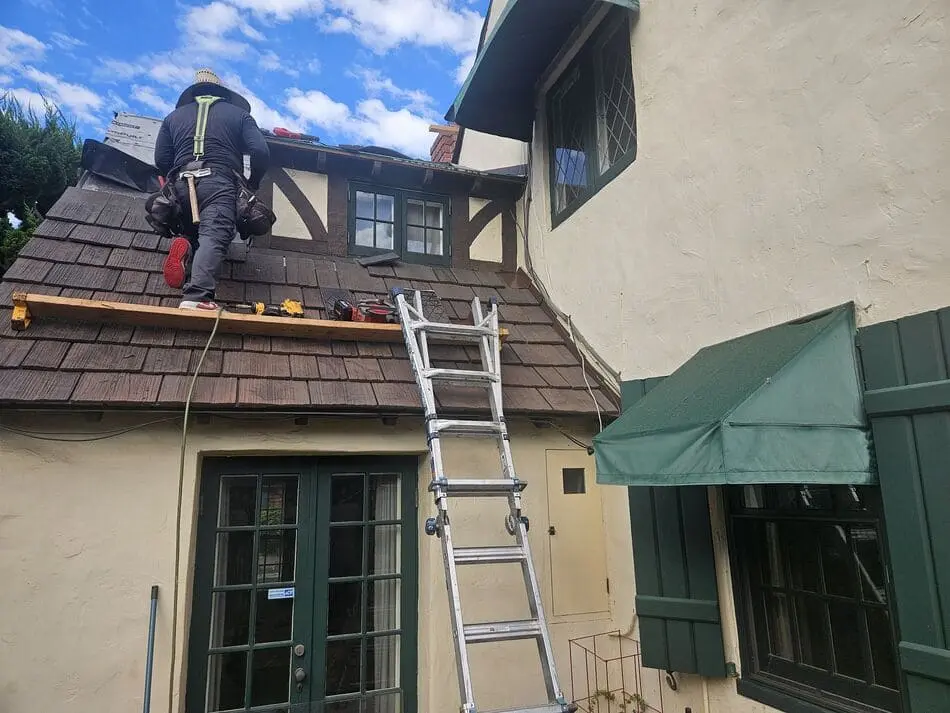
Flashing is the metal that bridges the roof and anything interrupting it: a wall, a chimney, a skylight curb, a dormer. Every one of those is a seam, and seams move.
Southern California makes it worse. Daily temperature swings expand and contract the metal, sealant dries out under UV, and the fasteners loosen a little each season.
How to spot it
- Water only appears when rain is driven from one direction.
- The interior stain follows a wall line or sits beside a chimney or skylight.
- From the roof, you can see lifted metal edges, cracked mastic, or caulk used where step flashing belongs.
What about cracked vent boots and pipe penetrations?
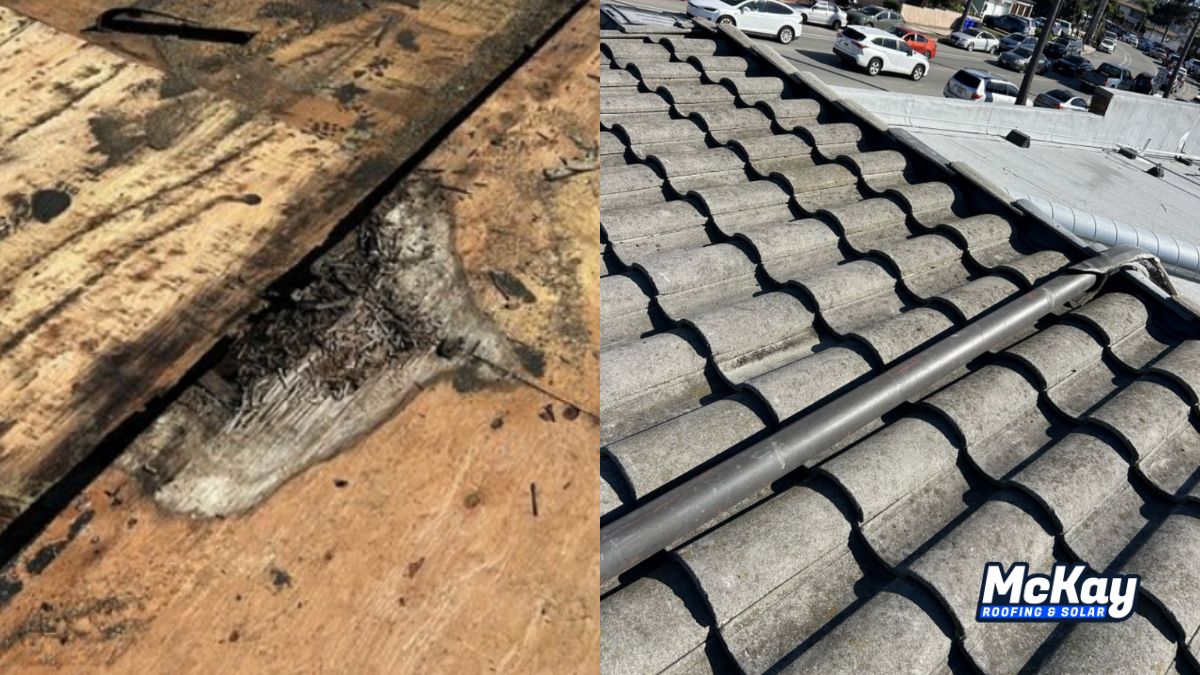
The rubber collar around a plumbing vent is the shortest-lived part of most roofs. In our sun it typically cracks at 8 to 12 years, well before the shingles are done.
The clue is location: a small, repeatable drip almost directly below a pipe, often into a bathroom or hallway ceiling. It usually shows up in the first real rain of the season.
- 1Remove the shingles or tiles around the penetration.
- 2Install a new boot with a metal base flange, not a slip-on rubber sleeve over the old one.
- 3Re-lay the courses so the flange is under the upslope material and over the downslope material.
Cost is usually $250 to $600 per penetration. If a quote is far above that for a boot alone, ask what else is in the scope.

Why do valleys and drains cause so many leaks here?
Our rain arrives in short, heavy bursts. Volume, not duration, is the stress test - and every gallon on the roof funnels through valleys, gutters, scuppers and drains.
Sloped roofs: valleys
- Debris packs into the valley, holds moisture against the material, and eventually rots the underlayment.
- Closed-cut valleys with worn metal underneath leak once granules wear through the shingle edge.
- Tiles pushed out of alignment in a valley leave a direct channel to the underlayment.
Flat roofs: drains and scuppers
- A clogged drain turns a 2 inch ponding area into standing water for weeks after a storm.
- Standing water finds every seam and blister and works under the cap sheet.
- Scuppers with failed sheet metal leak into the wall rather than the ceiling, which hides the damage longer.
Clear your drains twice a year and you will avoid a large share of the flat-roof leaks we get called out for.
Want a roofer to look at it first?
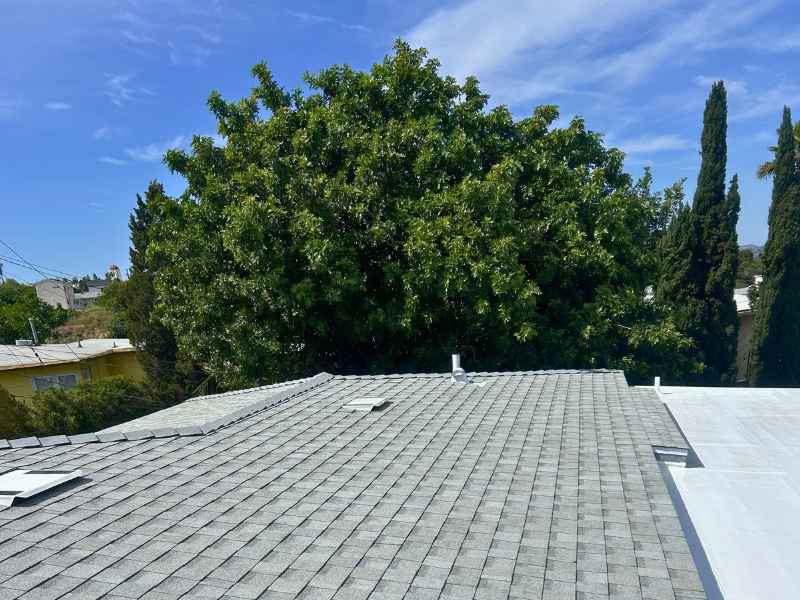
Free inspection across Southern California, with photos of exactly what we find.
How does aging underlayment turn into an interior leak?
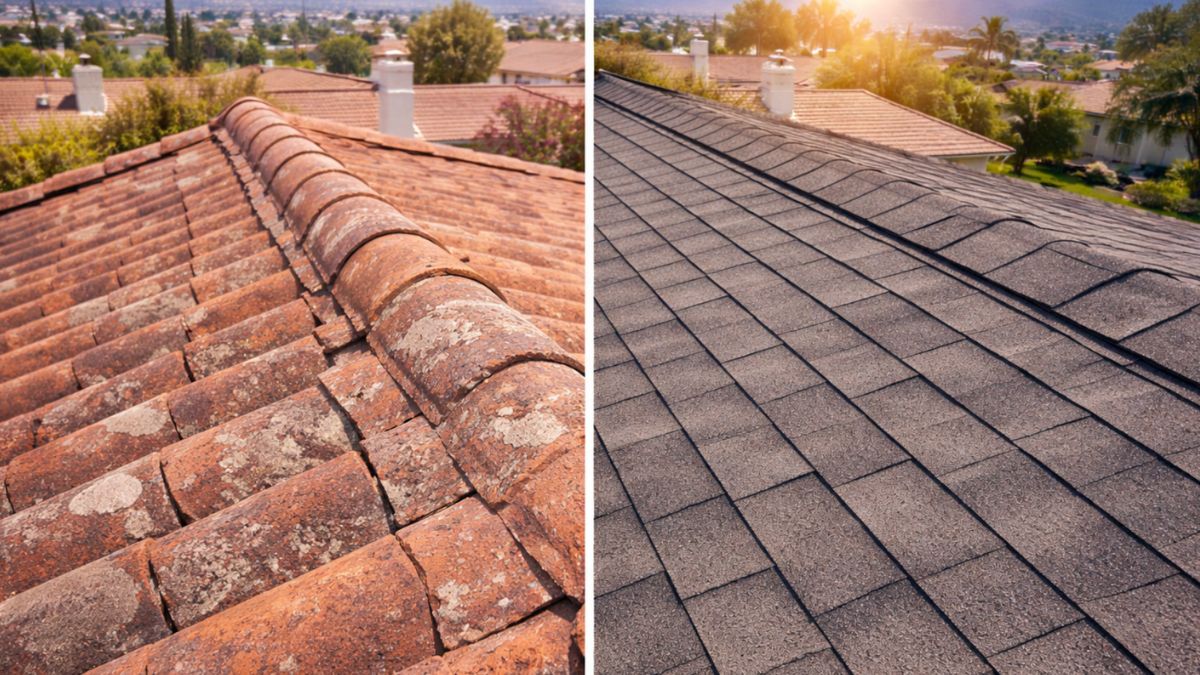
Shingles and tiles shed most of the water. The underlayment is what stops what gets past them, and it is the layer that quietly ages out first on tile roofs.
On a 30 year old tile roof with original felt, the tiles can look excellent while the felt beneath is brittle and cracked. That is why tile roofs often need a lift-and-relay rather than a full replacement - see our tile roofing service page for what that involves.
What does wind and storm damage look like on a local roof?
Santa Ana events do most of the wind damage we see, and it concentrates at edges: ridges, rakes, eaves and the first few courses.
- Missing or creased shingles along a ridge or rake, often with exposed nail heads.
- Lifted metal edge trim or drip edge on flat roofs.
- Slipped or broken tiles, usually field tiles that were already loose.
- Debris impact points from branches, with a bruise but no clear hole.
This category matters for insurance because it is sudden and accidental. Photograph it dated, tarp it, and get a written report before repairs - our emergency roof repair crews document as they work. The National Weather Service event archives at weather.gov are useful for tying damage to a specific storm date.
Can solar panels cause a roof leak?
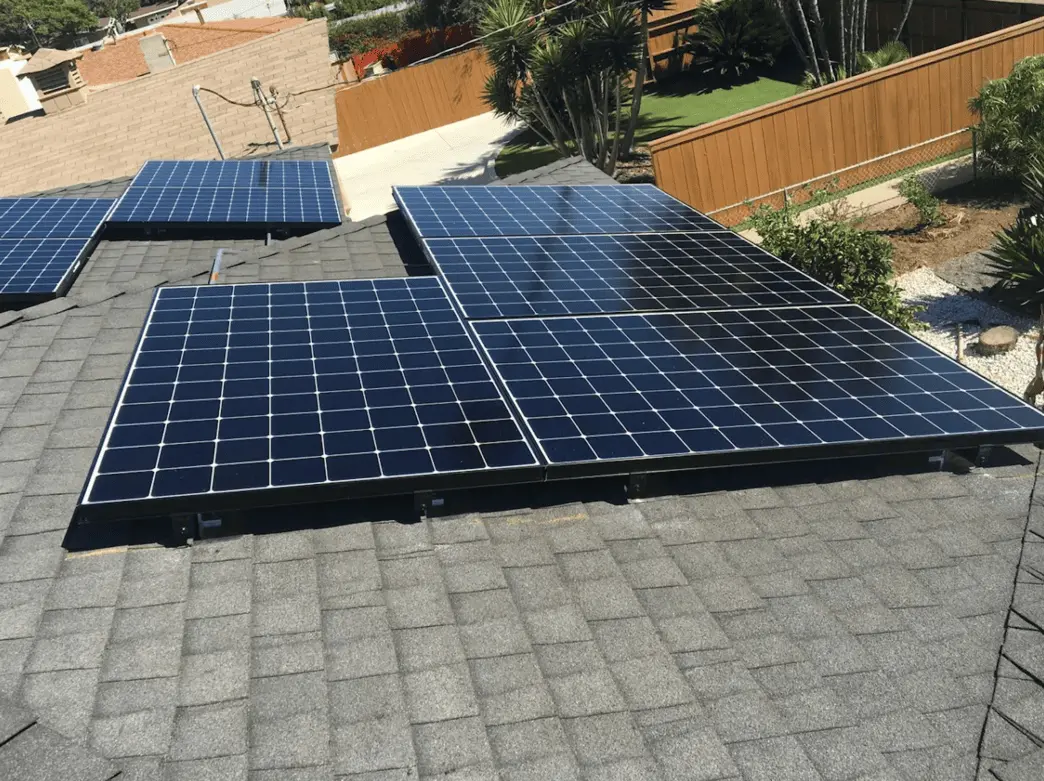
Properly installed solar does not cause leaks. Poorly flashed mounting does, and we get called for it regularly.
- Stanchions lagged into decking with sealant only, no flashed base.
- Tile roofs with mounts set on broken tiles that were never replaced.
- Conduit penetrations added after the fact with a bead of caulk.
The right sequence is roof first, panels second. If you are considering panels, read our guide to installing solar on a tile roof, and if panels need to come off for a repair we handle panel removal and reinstallation.
What should I do right now if my roof is leaking?
- 1Contain the water inside: bucket, plastic sheeting, and move anything valuable.
- 2Relieve pressure on a bulging ceiling with a small pinhole so it drains in one place instead of collapsing.
- 3Photograph the stain, the room and the date. Repeat outside if it is safe from the ground.
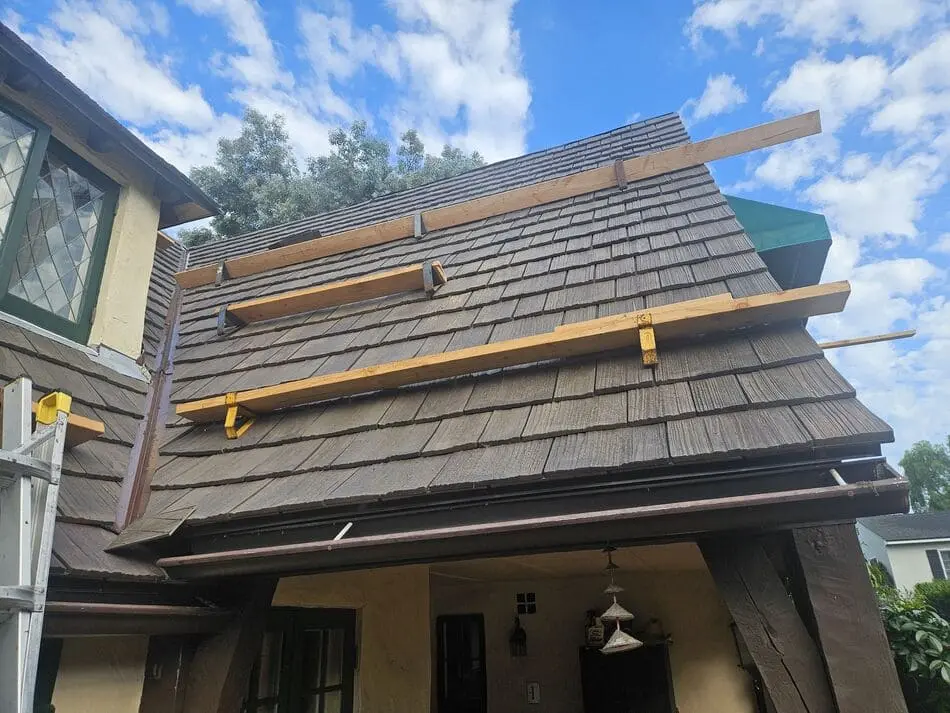
- 4Tarp from the ridge down, not just over the wet area, so water is diverted rather than trapped.
- 5Book an inspection. Ask specifically for photos of the source, not just a total price.
Do not climb a wet roof. Tile is slick, older shingles tear under foot, and a fall costs far more than a repair.
Frequently asked questions
About the author
The McKay Roofing & Solar Crew
Licensed roofers and solar installers (CSLB 1130793), on Southern California roofs since 1981
Read more about McKay Roofing & SolarHave an active leak?
We will find the source, tarp it the same visit when needed, and send you photos with a written repair scope before any work starts.