

Yes, you can install solar on a tile roof - concrete, clay or synthetic. Tile is the most common roof type on Southern California homes with panels, and it performs well when mounted correctly.
The risks are real but specific: cracked tiles during installation, unflashed penetrations, and panels installed over underlayment that only had a few years left.
This post covers how tile mounting actually works, what causes cracks, why the roof inspection has to come first, and 2026 cost ranges including panel removal and reinstall.
TL;DR
- Tile solar uses tile hooks or tile-replacement flashed mounts - never lag bolts through the tile face.
- Get a roof inspection first. If the underlayment has under 10 years left, do the roof before the panels.
- Expect 2% to 5% tile breakage during install; a good installer carries matching stock and replaces them.
- Removing and reinstalling panels later runs $2,000 to $5,000, which is why sequence matters more than price.
How does solar mounting work on a tile roof?
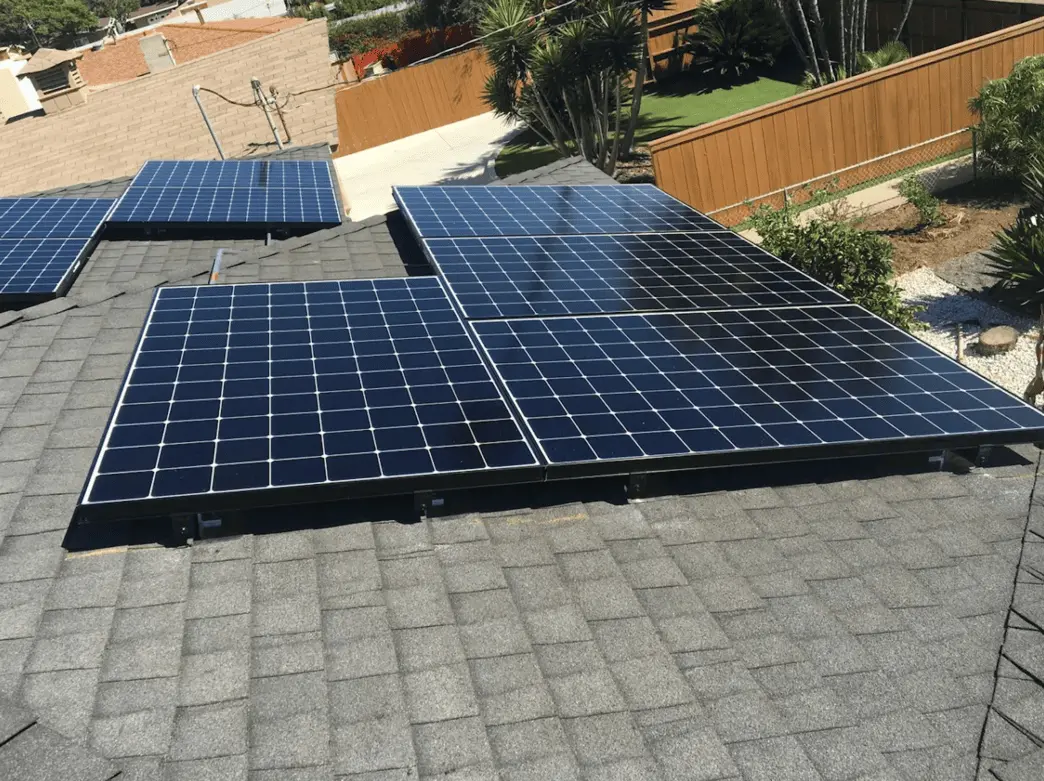
The goal is to reach the rafter for structural support while keeping the water barrier intact. There are two accepted ways to do that on tile.
Tile hooks
An L-shaped bracket is lagged into the rafter and routed out beneath the tile above it. The tile is notched or lifted so the hook exits without bearing weight on the tile itself. Fast, and good on S-profile clay.
Tile replacement mounts
One tile is removed and replaced with a metal flashing pan that mimics the tile profile and carries the mount. This is our preference on flat-profile concrete tile because it puts a proper flashed metal surface at every penetration.
Will installers crack my tiles, and what happens if they do?
Some breakage is normal. Concrete tile becomes brittle with age, and crews have to walk the roof to work. Expect 2% to 5% of walked tiles to break on a 20+ year old roof.
The problem is not breakage - it is unreplaced breakage. A cracked tile left in place exposes underlayment to direct UV and water, and that is a leak in two to three winters.
- Ask in writing who pays for replacement tiles and labor.
- Ask whether they source matching tile or use "close enough" stock.
- Ask for a post-install walkthrough with photos of every mount.
- For discontinued profiles, buy spare tiles now - matching gets harder every year.
Why does the roof inspection have to come before the panels?
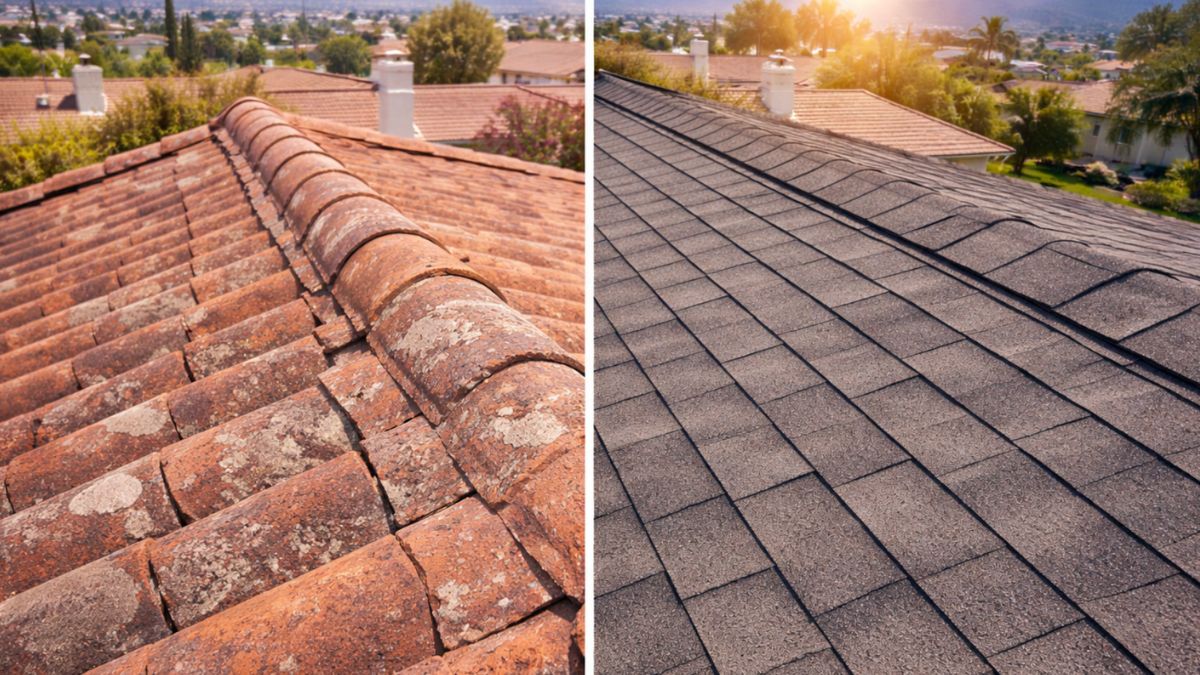
Panels last 25 to 30 years. Tile underlayment lasts 20 to 30. If your underlayment is at year 24, you are about to bolt a 25 year system onto a 5 year roof.
- 1Under 10 years of underlayment left: do a lift-and-relay first, then install panels.
- 210 to 15 years left: judgment call. Weigh relay cost now against removal and reinstall later.
- 3Over 15 years left: install panels, no roof work needed.
A lift-and-relay reuses your existing tile and replaces the underlayment beneath it, typically $11,000 to $20,000 - see tile roofing. Doing it before panels avoids paying separately to remove and reinstall the array.
The most expensive solar mistake in Southern California is not the panels. It is installing them on a roof with five years left.

Want your roof checked before panels go up?
Free inspection across Southern California, with photos of exactly what we find.
What does tile roof solar cost in 2026?
- Tile adder over composition shingle: typically $0.10 to $0.25 per watt, or roughly $800 to $2,000 on a 8 kW system.
- Typical 6 to 8 kW residential system, tile roof: $18,000 to $28,000 before incentives.
- Battery storage added: $10,000 to $18,000 depending on capacity.
- Panel removal and reinstall for later roof work: $2,000 to $5,000.
- Lift-and-relay underlayment replacement: $11,000 to $20,000.
Federal incentive rules change, so confirm current terms at energy.gov or with your tax professional rather than trusting a sales sheet. Utility rules also matter locally - our utility companies guide covers SDG&E, SCE, LADWP and others.
Does solar void my roof warranty, and what about permits?
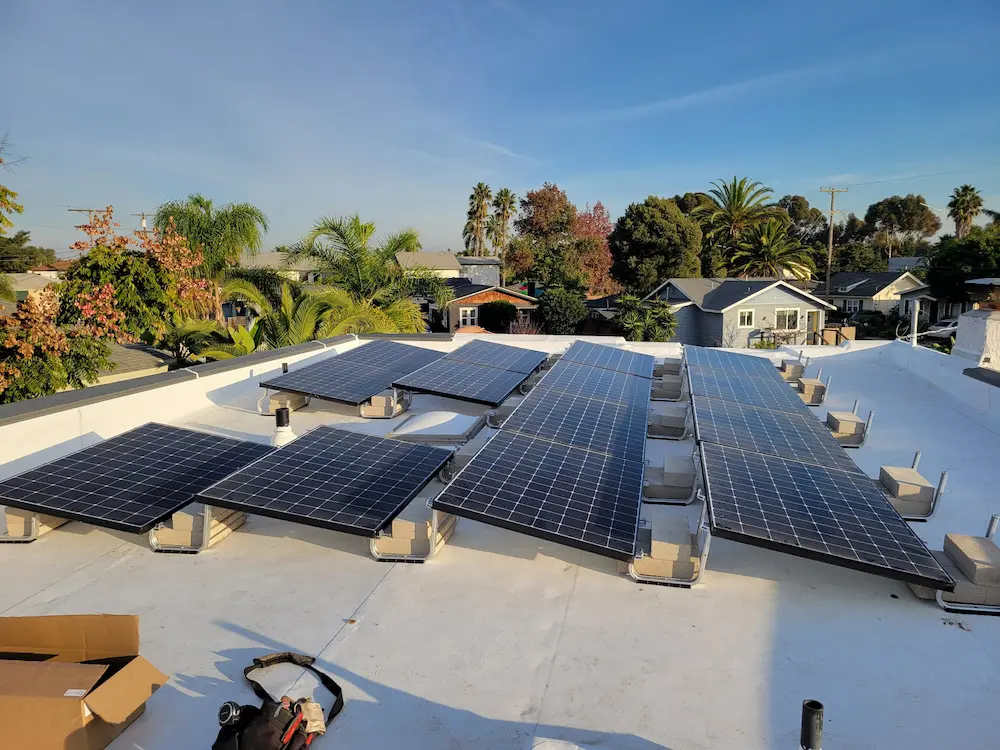
Manufacturer material warranties usually survive a properly flashed installation. Workmanship warranties from your roofer are the ones at risk when a separate solar company drills the roof.
- Ask your roofer in writing whether the planned mounting keeps the workmanship warranty intact.
- Using one contractor for both roof and solar removes the finger-pointing when a leak appears.
- Solar installs require a building and electrical permit plus utility interconnection approval in every Southern California jurisdiction we work in.
- Keep the as-built plan set and inspection sign-off. You will need them at resale.
We do both, which is why our solar installation and roofing crews schedule together on the same project.
How do I maintain a tile roof once panels are on it?
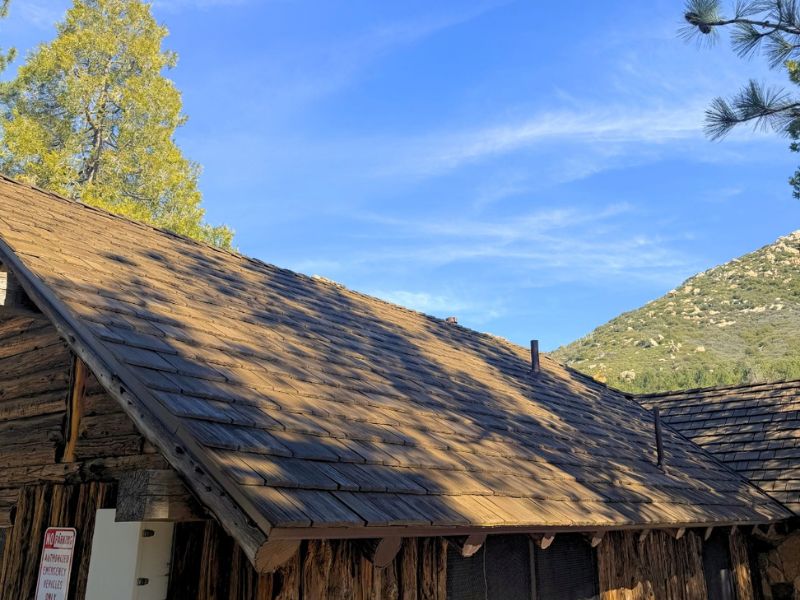
Access gets harder, so the maintenance plan should be set before the array goes up.
- 1Keep gutters, valleys and any tile channels around the array clear - debris collects at panel edges.
- 2Have mounts and flashings checked every 2 to 3 years, not just the panels.
- 3Watch production data. A sudden drop can mean shading, soiling or an inverter issue.
- 4Never pressure wash panels or walk on tile yourself; both do more damage than the dirt.
- 5If a repair is needed under the array, use a crew that removes and reinstalls panels properly.
If your system is already underperforming, our solar panel repair team diagnoses production, wiring and mounting issues together.
Frequently asked questions
About the author
The McKay Roofing & Solar Crew
Licensed roofers and solar installers (CSLB 1130793), on Southern California roofs since 1981
Read more about McKay Roofing & SolarThinking about panels on a tile roof?
We inspect the roof and the underlayment first, then quote the roof work and the solar together so the sequence is right the first time.