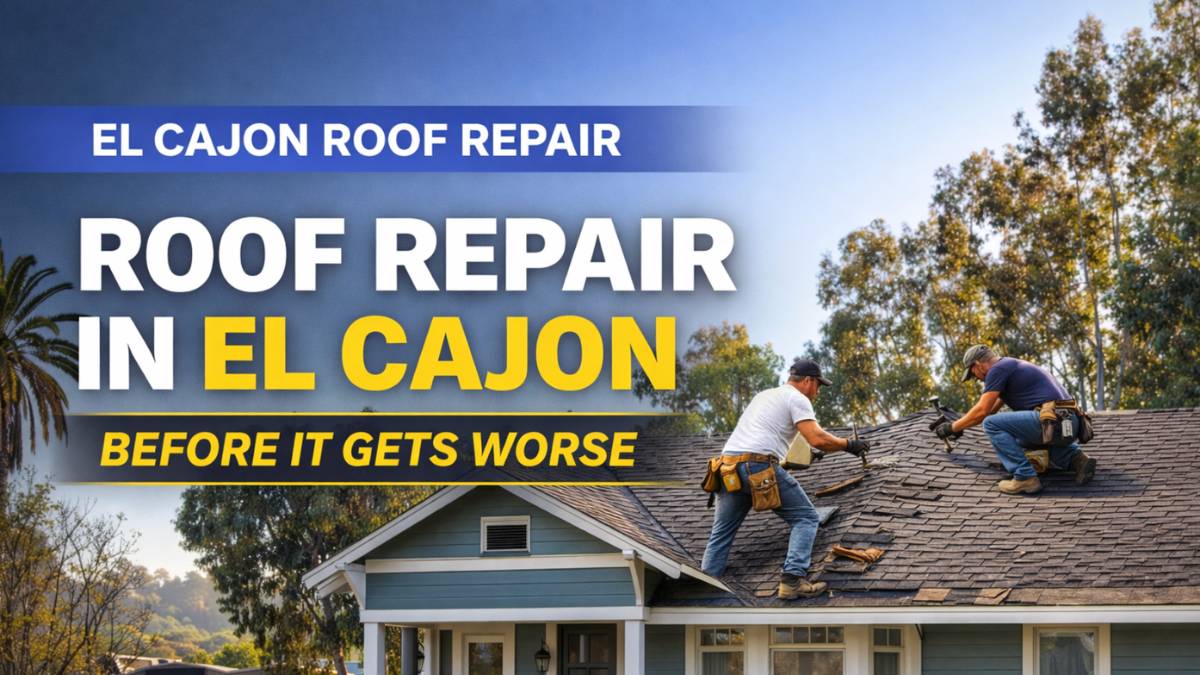
Most roof repairs in Southern California land between $450 and $3,500 in 2026. The spread is wide because two repairs that sound identical can differ by a factor of five once access, pitch and decking come into it.
Here is what each repair type costs, what pushes a bill up, and the point where paying again for patches stops making sense.
Every number below is a range we quote locally. Treat any estimate given over the phone without an inspection as marketing, not pricing.
TL;DR
- Minor repairs: $450 to $1,200. Moderate: $1,200 to $3,500. Section replacement: $4,000 to $9,000.
- Steep pitch, tile, second-story access and multiple existing layers each add real cost.
- Decking replacement runs about $150 to $400 per sheet and is the most common surprise.
- Once repairs exceed roughly 30% of replacement cost on an aged roof, replace instead.
What does each type of roof repair cost?
- Plumbing vent boot replacement: $250 to $600 per penetration.
- Replace a handful of shingles: $400 to $900.
- Reset or replace slipped tiles: $450 to $1,100 depending on tile availability.
- Step or wall flashing repair: $700 to $2,000.
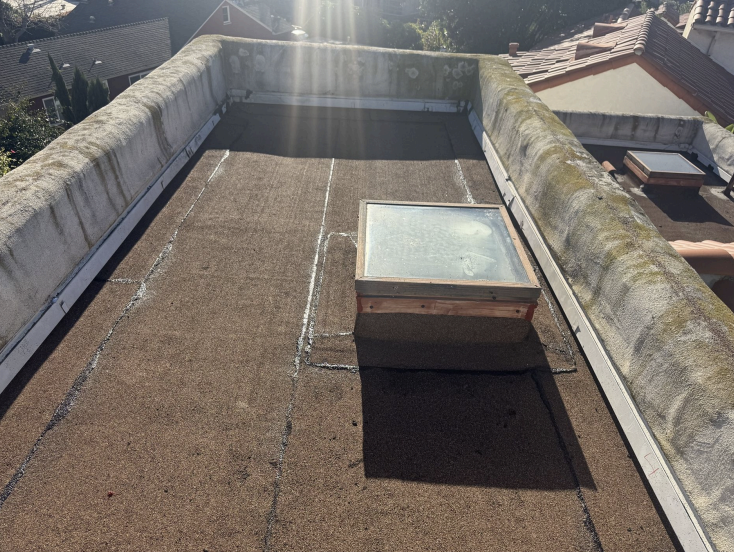
- Skylight reflash (not replace): $850 to $2,200.
- Valley rebuild: $1,200 to $3,000.
- Chimney flashing and counterflashing: $1,200 to $2,800.
- Flat roof patch and seam repair: $600 to $2,500 depending on area.
- Decking / sheathing replacement: $150 to $400 per 4x8 sheet.
- Section replacement, one slope or flat area: $4,000 to $9,000.
Emergency and after-hours calls typically add $200 to $500, and tarping as mitigation is usually $300 to $800 depending on area covered.

What actually drives my roof repair price up?
Six factors explain nearly all the variation between quotes on the same roof.
- 1Pitch. Anything over 6:12 needs fall protection and slows the crew, adding 15% to 30% in labor.
- 2Material. Tile requires careful walking and matching stock; concrete tile from the 1980s can be hard to source.
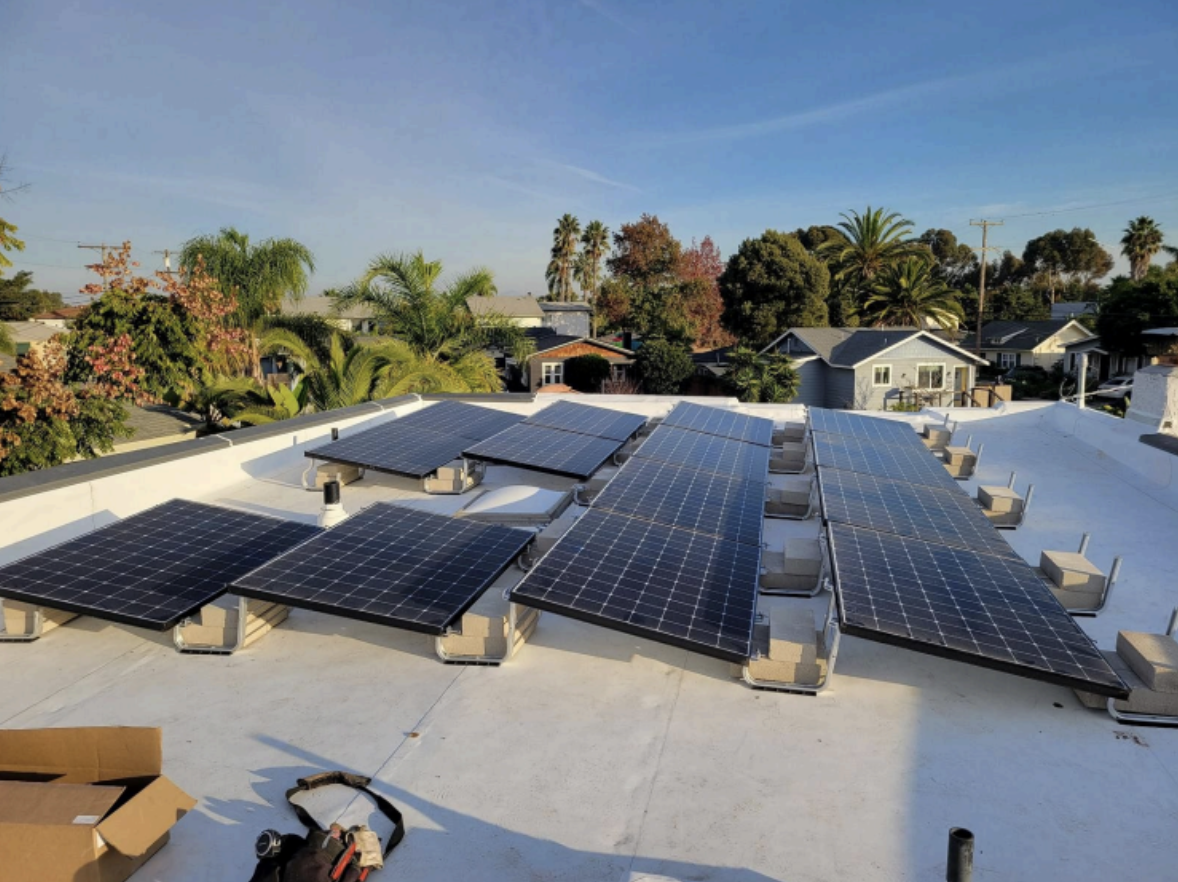
- 3Access. Second story, tight side yards, no truck access, or panels in the way all add hours.
- 4Existing layers. Two or three layers of old roofing means removal cost before any repair begins.
- 5Hidden damage. Soft decking, rotted fascia or a wet wall found once the area is opened.
- 6Permits. Small repairs usually do not need one; anything structural or over a set square footage does.
At what point should I stop repairing and replace?
Use two thresholds together. Neither works alone.
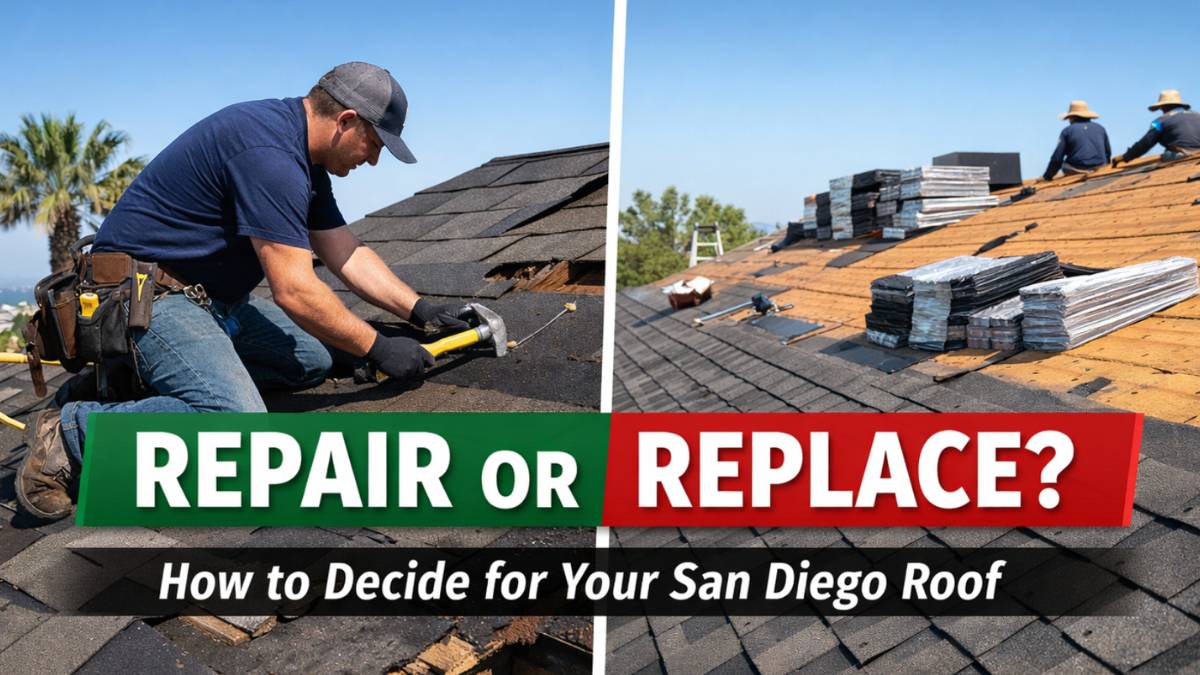
- The 30% rule: if a repair costs more than about 30% of replacement, and the roof is past 70% of its expected life, replace.
- Cost per remaining year: divide each option by the years it realistically buys. A $2,800 repair on a roof with 4 years left is $700 a year. A $17,000 roof rated 30 years is about $570 a year.
There is a third, less obvious factor: repeat interior damage. Drywall, paint, insulation and flooring costs add up quietly, and they never appear on a roofing invoice. Our repair vs replacement guide walks the full decision.
Want a roofer to look at it first?
Free inspection across Southern California, with photos of exactly what we find.
Will insurance cover any of my roof repair cost?
Sudden and accidental damage is generally covered. Age, wear and neglected maintenance are generally not. That is the whole test, and documentation decides which category a claim lands in.
- 1Date-stamped photos before any work, inside and out.
- 2Mitigation first: tarp, contain water, keep receipts.
- 3A written inspection report separating storm damage from wear.
- 4File within your policy's reporting window, typically one year.
Deductibles in California commonly run $1,000 to $2,500, which means many minor repairs are not worth a claim at all. The California Department of Insurance publishes claim guidance at insurance.ca.gov. We handle documentation through our roof insurance claims service.
How do I avoid overpaying for a roof repair?
- Get the repair scoped in writing with materials named - underlayment type, flashing gauge, fastener spec.
- Verify the contractor's license number on the CSLB license lookup. Ours is CSLB 1130793.
- Ask for photos of the source before and after. A crew that cannot show you the failure did not find it.
- Refuse large deposits. California limits residential down payments to $1,000 or 10% of the contract, whichever is less.
- Do not accept caulk-only repairs at flashing, walls or valleys.
The cheapest repair is the one you only pay for once. Two $700 patches on the same valley cost more than doing it right the first time.

What maintenance keeps repair costs down?
The cheapest roofing money you will ever spend is on drainage and inspection. Both are boring and both work.
- 1Clear gutters, valleys, scuppers and drains twice a year - before and after the rainy season.
- 2Trim branches back at least 6 feet from the roof to stop abrasion and debris.
- 3Get an inspection every 2 to 3 years, annually past year 15.
- 4Replace vent boots proactively at year 10 while the crew is already on the roof.
- 5Fix small flashing issues in dry months when scheduling is cheaper and easier.
Our roof maintenance program covers the same checklist on a schedule, and full replacement pricing is on the roof replacement page.
Frequently asked questions
About the author
The McKay Roofing & Solar Crew
Licensed roofers and solar installers (CSLB 1130793), on Southern California roofs since 1981
Read more about McKay Roofing & SolarWant a real number for your roof?
Free inspection, photos of what we find, and a written itemized estimate with a decking contingency price so there are no surprises.