Between 2015 and 2023, Sunlight Financial was one of the biggest names most solar owners never actually noticed. It was the financing company standing behind the loan paperwork that thousands of installers put in front of homeowners, including a lot of homeowners in San Diego, without the Sunlight name ever showing up prominently on the sales pitch.
On October 30, 2023, Sunlight filed for Chapter 11 bankruptcy protection. It was acquired by an investor group led by Greenbacker Capital along with a consortium of solar industry buyers, and it emerged from restructuring that December. For a homeowner making monthly payments, the whole thing likely happened without a single noticeable change to their statement, or with only a small one.
This post covers what the bankruptcy did and did not change, and more importantly, what usually did change around the same time: the installer who sold you the Sunlight-financed system going out of business. Those are two separate problems, and only one of them requires a phone call to us.
TL;DR
- Sunlight Financial filed Chapter 11 bankruptcy on October 30, 2023, and was acquired and restructured by December 2023.
- Your loan obligation almost certainly continued unchanged. Sunlight arranged loans; the loans themselves are typically owned by partner banks and serviced separately.
- The bigger risk is your original installer, not Sunlight. Companies like Titan Solar Power, Lumio, and SunPower's dealer network have closed, leaving Sunlight-financed systems with nobody to service them.
- A $399 written system health check, credited toward any repair, is the fastest way to find out if your solar panel repair is overdue.
What exactly happened to Sunlight Financial?
Sunlight Financial was a fintech-style lender that partnered with solar installers around the country rather than selling directly to homeowners. An installer's sales rep would present financing options at the kitchen table, and one of those options was frequently paperwork branded or processed through Sunlight, even if the homeowner mostly remembers the installer's name.
The company filed for Chapter 11 bankruptcy protection on October 30, 2023, following financial strain tied to rising interest rates and a slowdown in the residential solar financing market that hit several similar companies around the same period. It was acquired by an investor group led by Greenbacker Capital, along with a consortium of solar industry buyers, and emerged from restructuring in December 2023.
Does the bankruptcy change what I owe or who I pay?
For almost everyone, no, and that surprises people. Sunlight arranged loans, but the loans themselves are typically owned by partner banks and serviced separately from Sunlight's own corporate structure. That means your payment obligation continued right through the bankruptcy filing and the acquisition, because the entity actually holding your loan was likely never Sunlight itself.
If anything changed on your end, it was probably cosmetic: the name printed on your monthly statement, or which servicing portal you log into to make a payment. That is worth confirming rather than assuming.
- 1Check your most recent loan statement for the servicer's name.
- 2Pull your credit report if you are unsure who is reporting the loan.
- 3Do not stop paying while you figure it out. A missed payment affects your credit regardless of what happened to the original lender.
The Consumer Financial Protection Bureau publishes general guidance on what happens to a loan when the original lender is acquired or restructured, if you want a source outside of us and outside of Sunlight.
So what is the actual problem for Sunlight-financed solar owners?
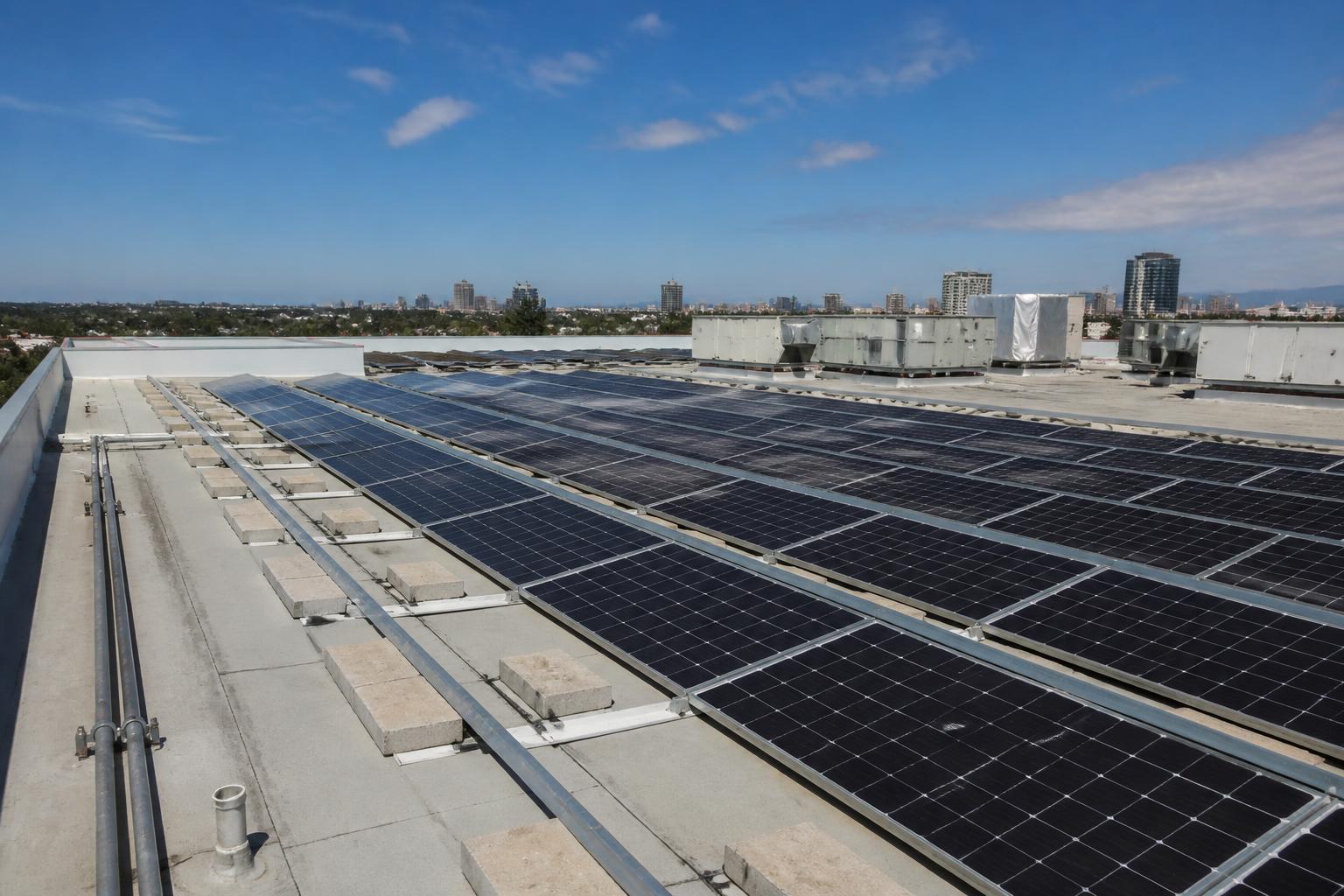
Here is the part that has nothing to do with Sunlight's balance sheet. Many of the installers who sold Sunlight-financed systems are themselves gone. Titan Solar Power, Lumio, SunPower's dealer network, and a long list of other installers that were active in the mid-2010s through early 2020s have closed or restructured out of the residential installation business entirely.
That leaves a homeowner paying faithfully on a loan for a system that nobody will service. The loan survives the installer's closure. The service relationship does not. If your inverter faults, your monitoring goes dark, or a panel underperforms, there is no longer a company on the other end of the original phone number.
You can be left paying faithfully on a loan for a system nobody will service. The loan survives; the service relationship doesn't.
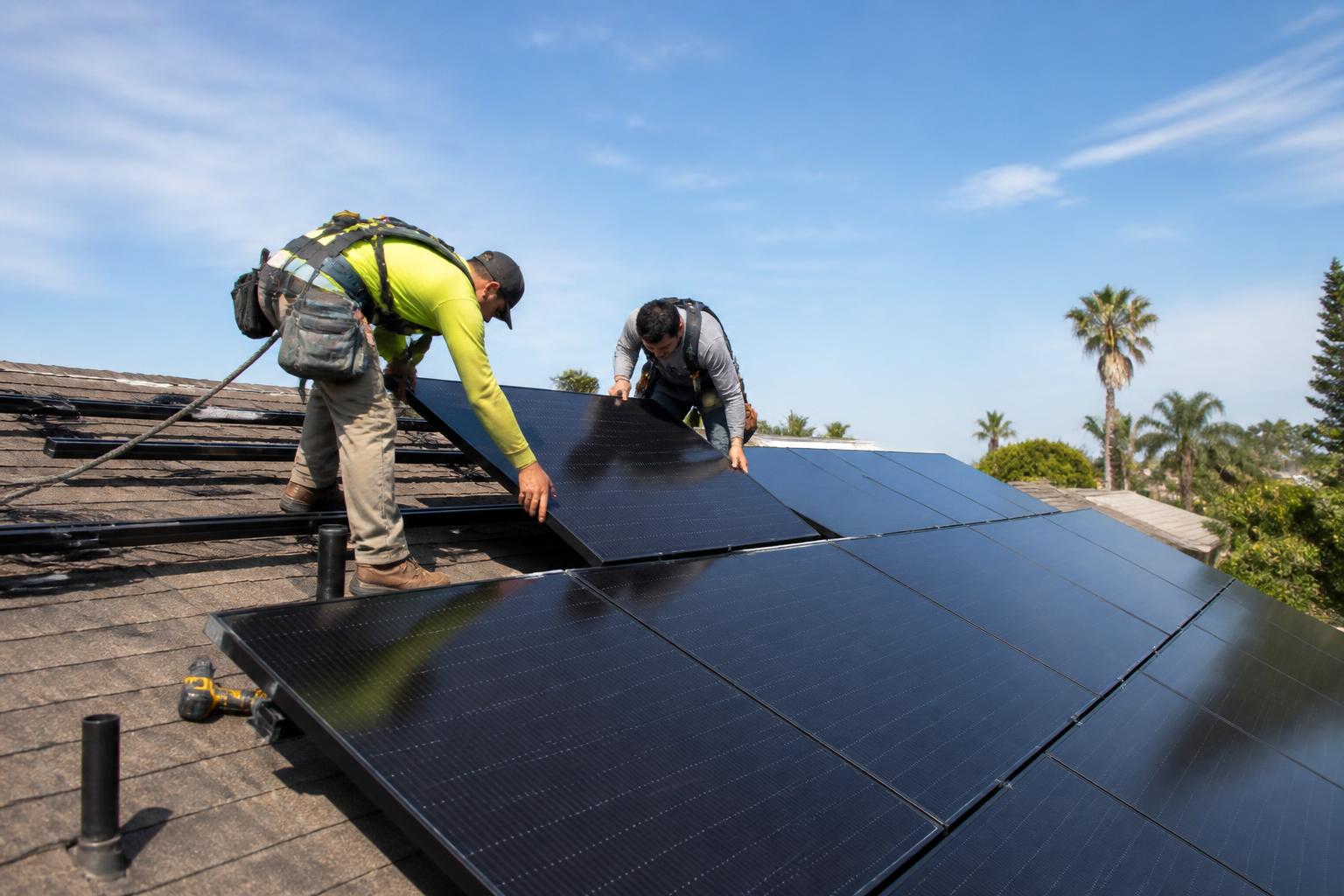
Want your roof checked before panels go up?
Free inspection across Southern California, with photos of exactly what we find.
What does McKay do for a Sunlight-financed system?
We work on orphaned solar systems regardless of who financed or installed them originally. One license covers the whole picture, which matters when a roof problem sits underneath a solar array.
- A full system health check with a written report, $399, credited in full toward any repair if you hire us.
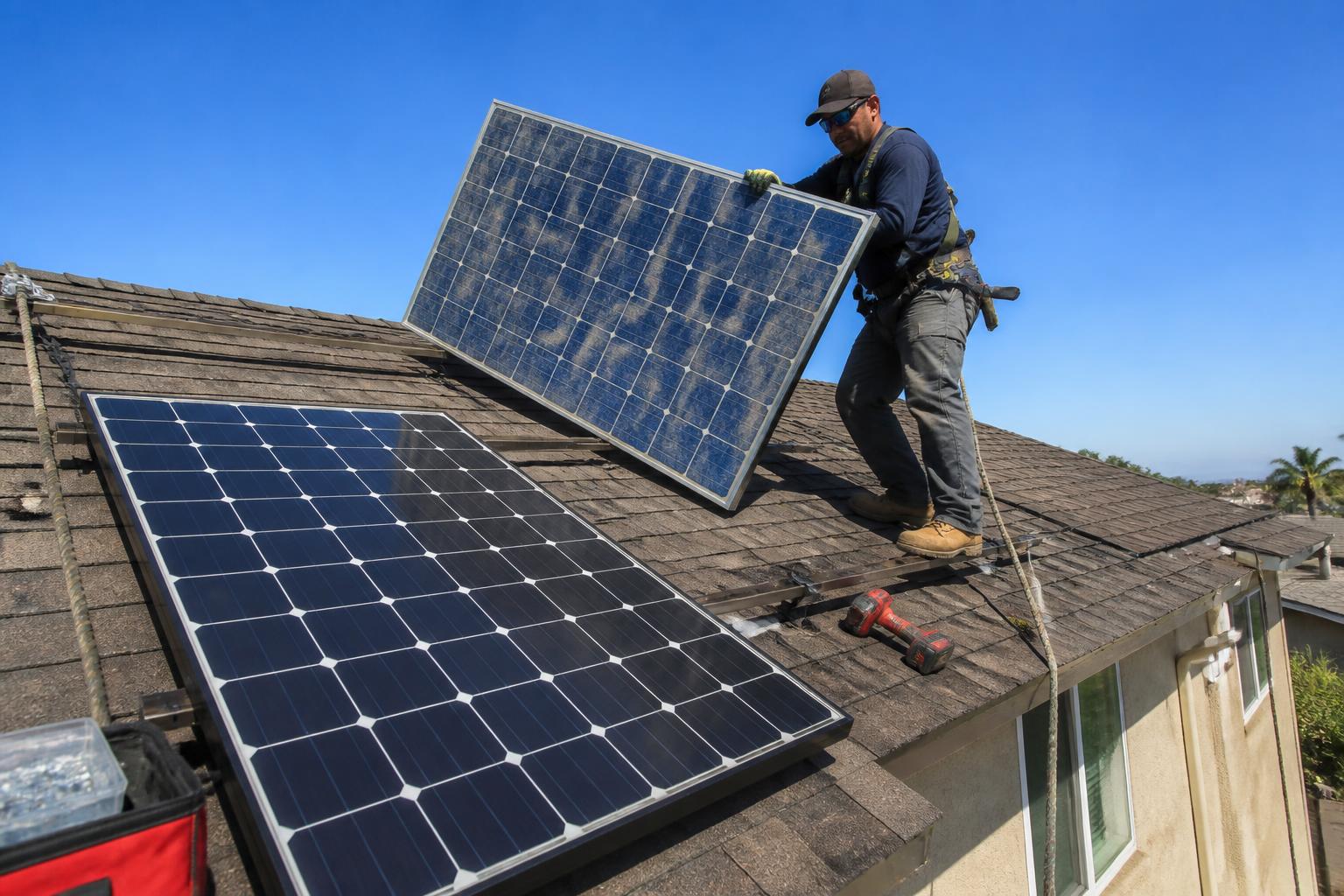
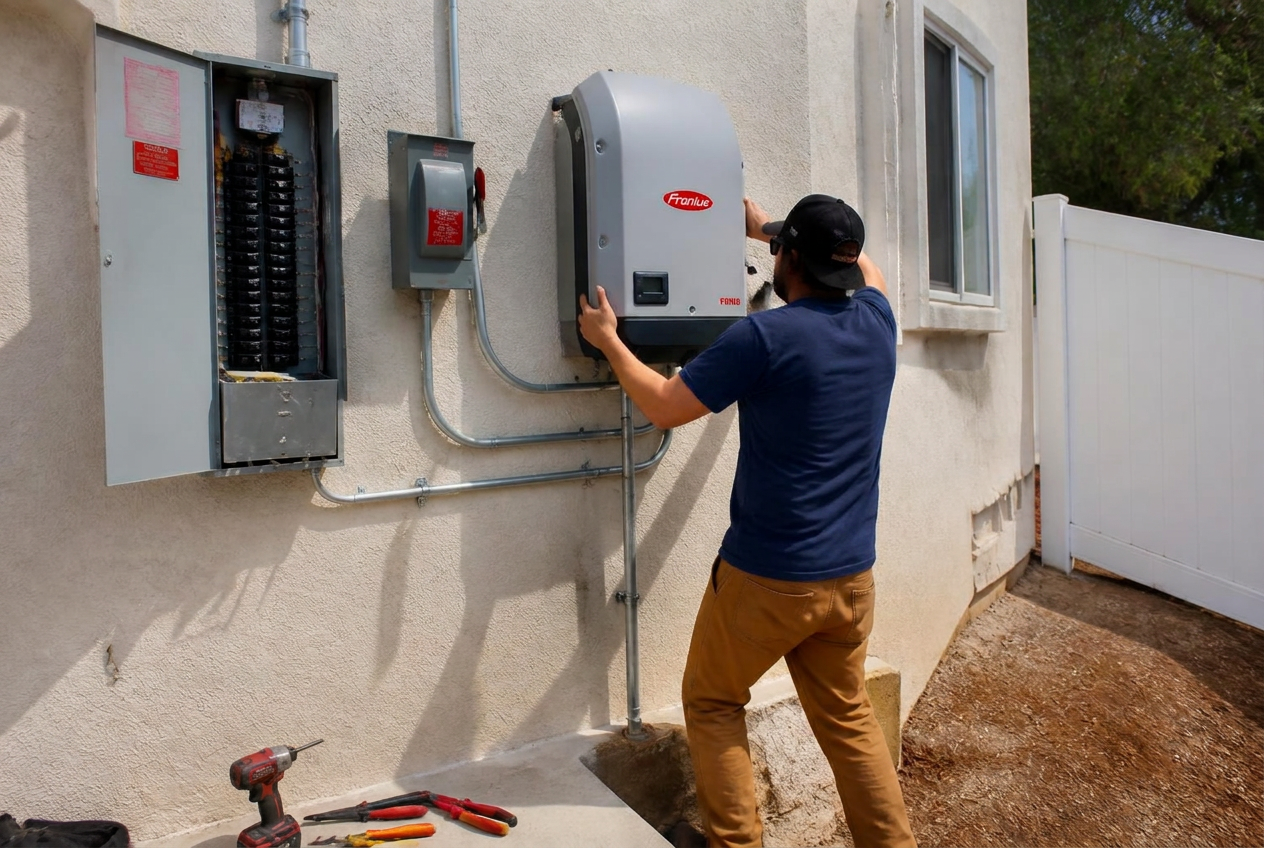
- Diagnostics and solar panel repair for panels, inverters, and wiring.
- Monitoring restoration so the app is registered under your own name instead of the closed installer's account.
- Roof work under the array, including detach-and-reset, handled on one license instead of coordinating two contractors.
- Battery retrofits, including Tesla Powerwall installation, for owners who want to make the most of their existing array.
If your original installer also carried out roof penetrations for the mounting hardware, our solar panel removal and reinstallation service is usually the fastest way to check both the roof and the array in one visit.
Does the current rate structure change what I should do with the system?
It can. Under SDG&E's current time-of-use pricing, the peak window generally runs from about 4 to 9pm, which is exactly when solar production is winding down for the day. A lot of the savings that used to come from straightforward solar production have shifted toward battery storage, which lets you use daytime production during the expensive evening hours instead of exporting it for a lower credit.
We will confirm what applies to your specific system and rate plan before recommending anything. Our utility companies page walks through how SDG&E's current structure affects solar and battery decisions in more detail.
How do I find out who services my loan today?
Start with your most recent monthly statement, which should name the current loan servicer even if it is not the original financing brand. If you cannot locate a statement, your credit report will list the account and the name currently reporting it.
For questions about the loan itself, rather than the equipment, the servicer named on your statement is the correct contact, not us. We can tell you whether the hardware is healthy. We cannot change your loan terms or your balance.
What should I do next if my installer is also gone?
If your original installer closed and you are unsure whether it was Titan Solar Power, Lumio, or another name from that era, the details matter less than the next step: get a licensed local contractor to look at the system before a small fault becomes a bigger repair.
Book a solar inspection or contact us directly, and we will give you a written report on where the system actually stands, whether or not you decide to hire us for the repair afterward.
Frequently asked questions
About the author
The McKay Roofing & Solar Crew
Licensed roofers and solar installers (CSLB 1130793), on Southern California roofs since 1981
Read more about McKay Roofing & SolarGet your Sunlight-financed system checked
Whatever happened to Sunlight Financial or the installer who sold you the system, the panels on your roof still need someone licensed to service them. Call (858) 541-1097 or book a system health check, $399, credited in full toward any repair.