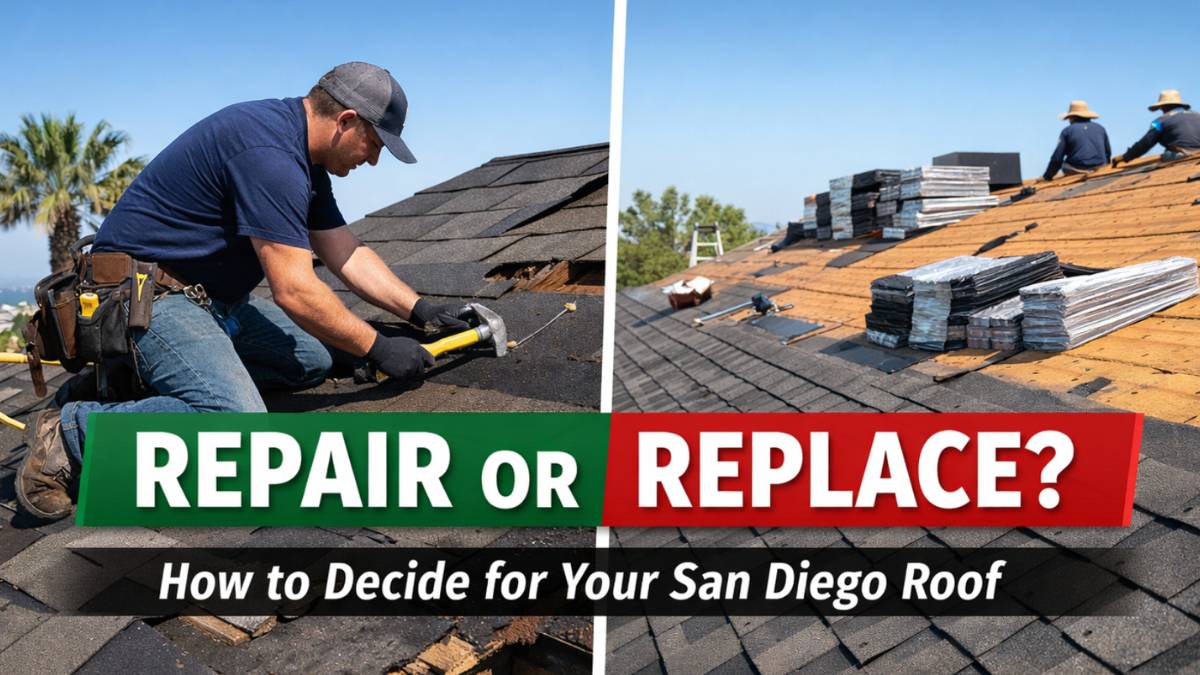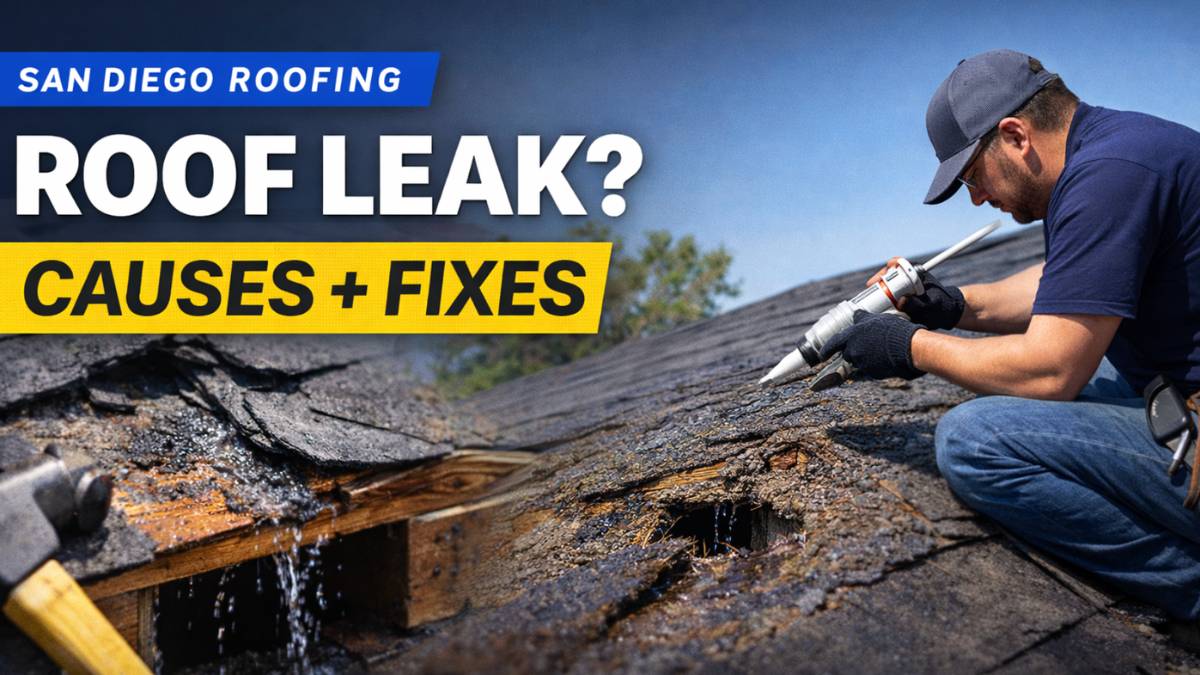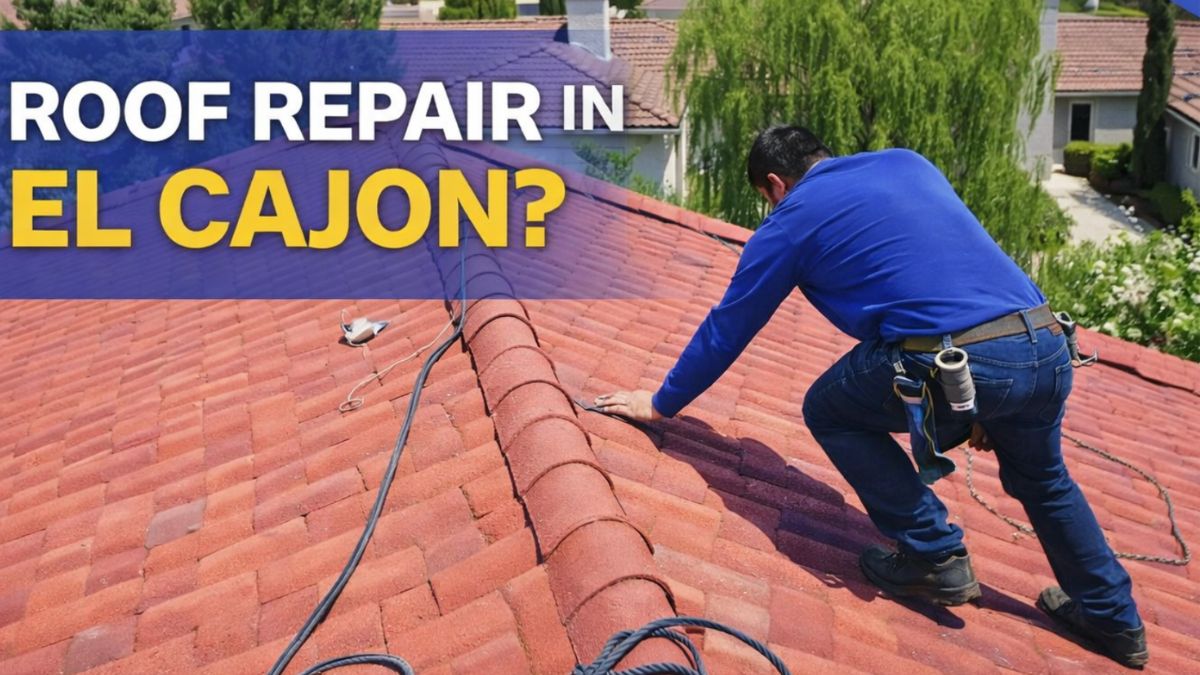
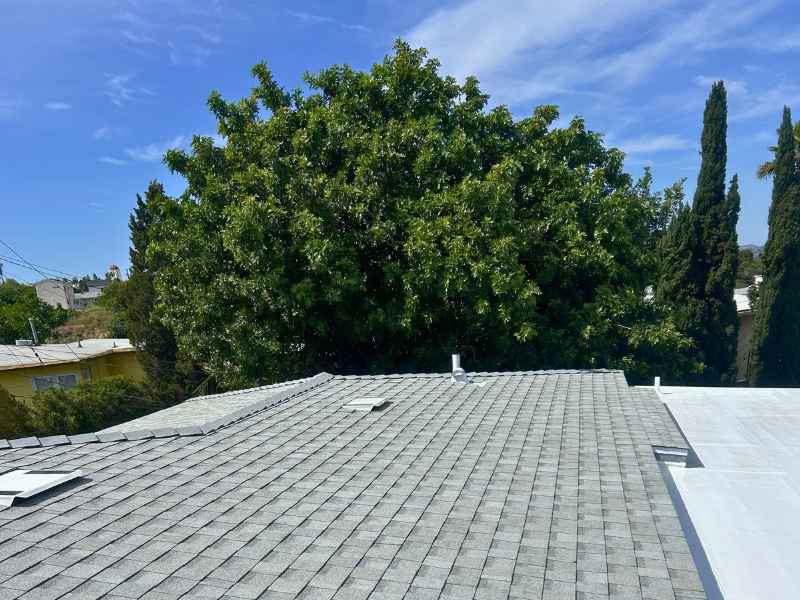
If a flat roof is starting to crack, blister, or leak, it is usually not something you can patch forever. At some point the old cap sheet has to come off and a new system needs to go on properly. We recently completed exactly that: a full tear-off and torch-down roof installation in San Diego, replacing an aging cap sheet system with a new 20-year manufacturer-backed roofing system.
This was a smaller project in terms of square footage, a 3-square roof section, roughly 300 square feet, but the work involved was the same as any larger flat roof replacement. The existing cap sheet had reached the end of its useful life, and the homeowner wanted a system that would actually hold up rather than another short-term fix.
Below is exactly what the job included, why the tear-off was necessary rather than optional, and why torch-down roofing continues to be one of our go-to recommendations for flat and low-slope sections across the county.
TL;DR
- This was a 3-square (about 300 square foot) torch-down installation with a complete tear-off of the old cap sheet.
- The new system carries a 20-year manufacturer warranty when installed to spec.
- Cracking, brittleness, and moisture intrusion in the old cap sheet made a tear-off necessary instead of a layover.
- Torch-down roofing holds up well in San Diego because it resists UV damage, handles heat, and seals fully at seams and penetrations.
What did this torch-down roof installation actually include?
This project covered a 3-square roof section, approximately 300 square feet, where the existing cap sheet had reached the end of its life. It was a contained job, but every step still had to be done in the right order for the new system to perform the way it is supposed to.
- 1Complete tear-off of the old cap sheet roofing system.
- 2Surface prep and inspection of the roof deck once it was exposed.
- 3Installation of a new torch-down modified bitumen system.
- 4Proper sealing around all edges and penetrations.
- 5Final inspection to confirm long-term durability before calling it done.
Torch-down systems are one of the most reliable options for flat and low-slope roofs in San Diego because they hold up well against heat, direct sun exposure, and standing water, three things that break down cheaper roll roofing materials fast. Our flat roof repair and torch-down roofing pages cover both the smaller repair side and the full install side of this same work.
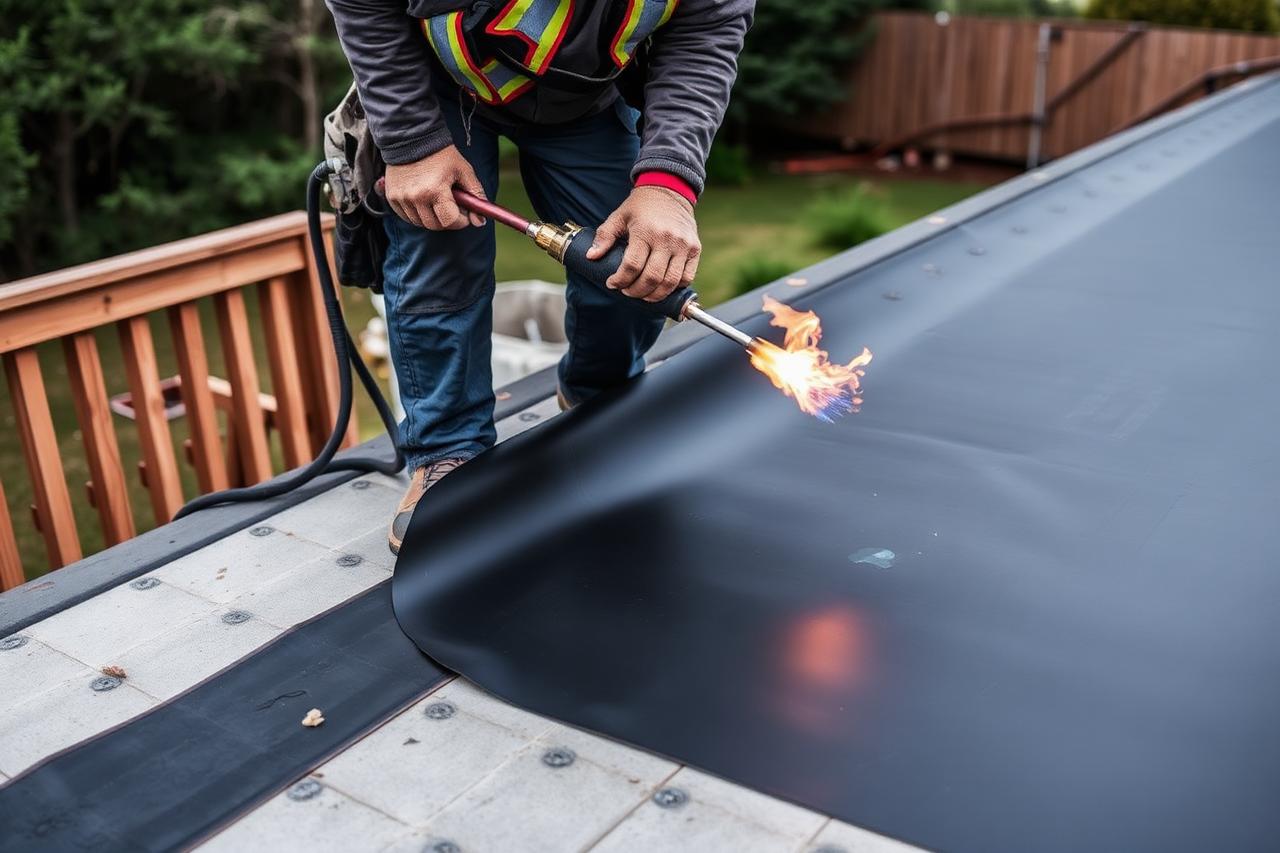
Why was a full tear-off necessary instead of adding another layer?
A lot of homeowners ask if we can just add another layer on top of what's already there. In some cases, that can work. Not on this roof, though, because the existing system was already failing.
What we found on the old cap sheet
- Cracking and brittleness across the surface of the material.
- Signs of moisture already getting underneath the cap sheet.
- Worn areas caused by long-term, unrelenting sun exposure.
When a roof is already showing that pattern, layering a new membrane on top just traps the existing problems underneath a fresh surface. It looks fine for a while, then fails from below. A full tear-off gives you a clean start and a system that actually lasts as long as it is designed to.
Why does torch-down roofing work so well in San Diego's climate?
San Diego's climate is genuinely tough on flat roofs. Constant sun exposure breaks down cheaper roofing materials fast, even in a coastal climate that looks mild on paper. Torch-down roofing is designed specifically for this kind of environment.
- It creates a fully sealed, watertight surface across the entire roof plane.
- It resists UV damage better than basic roll roofing or lower-grade cap sheet systems.
- It handles daily and seasonal temperature swings without cracking.
- It lasts significantly longer when it is installed correctly, which comes down to seam bonding and edge detail.
For flat or low-slope roof sections, it remains one of the best long-term options available. The NRCA publishes technical guidance on modified bitumen systems for contractors and homeowners who want to understand the material in more depth, and our own roof replacement page covers how flat systems compare with pitched roofing in terms of lifespan and cost.
Want a roofer to look at it first?
Free inspection across Southern California, with photos of exactly what we find.
What does the 20-year manufacturer warranty actually cover?
This installation includes a 20-year manufacturer warranty, which covers the roofing material itself when it is installed to the manufacturer's specifications. That last part matters more than most homeowners realize.
- The system is installed to manufacturer standards, not shortcuts that void the coverage later.
- The materials themselves are designed and rated for long-term performance.
- You are not relying on short-term patch fixes to get another season out of a failing roof.
That warranty is really the difference between a temporary repair and a real, long-term solution. Manufacturer warranty terms for modified bitumen systems are typically published directly by suppliers such as GAF, and we walk every client through what their specific warranty covers before the job starts, not after.
How do you know if your own flat roof needs replacement?
If you are not sure whether your flat roof needs a repair or a full replacement, there are a handful of signs worth checking for before deciding either way.
- Recurring leaks that keep showing up in the same spot no matter how many times it has been patched.
- Visible cracks or bubbling across the surface of the cap sheet.
- Soft spots underfoot when you walk the roof.
- Pooled water that never fully drains, even a day or two after rain.
- A roof that is already 10 to 15 years old or older.
If you are seeing any of those, it is worth getting the roof inspected before it turns into interior water damage. A roof inspection is a quick, low-cost way to get a real answer instead of guessing.
What separates a good torch-down install from a mediocre one?
Not all torch-down installations are the same, even when the material is identical. The details are what actually determine how long the roof lasts, especially the sealing at edges, penetrations, and transitions between roof planes.
Because we handle both roofing and solar work, we also make sure a flat roof like this is ready for anything that might go on top of it down the road, whether that is solar mounting hardware or HVAC equipment. Building that consideration in from the start avoids having to cut into a brand-new roof a few years later. See our solar-ready roofing guidance or reach out through our contact page if that is part of your own plans.
Frequently asked questions
About the author
The McKay Roofing & Solar Crew
Licensed roofers and solar installers (CSLB 1130793), on Southern California roofs since 1981
Read more about McKay Roofing & SolarNeed a flat roof inspection or a torch-down quote?
Get a free, no-pressure estimate and we will walk you through whether your roof needs a repair or a full torch-down replacement.